Rising Demand for Electric Charging Infrastructure Worldwide
Introduction
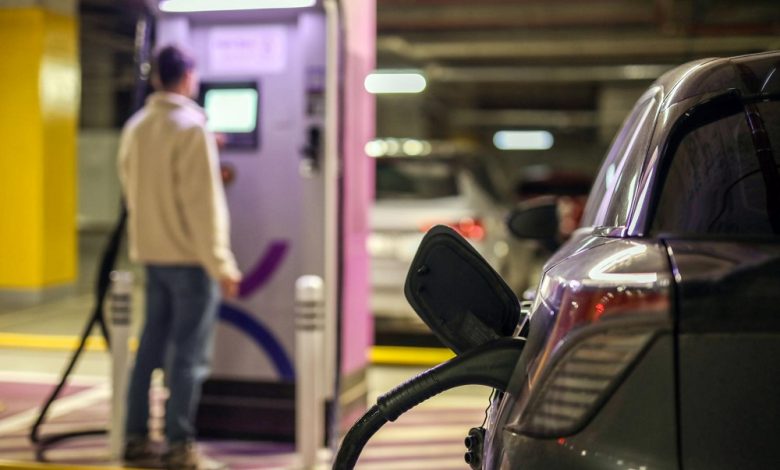
The global transition toward electric mobility is accelerating at an unprecedented pace. Governments, automakers, and energy providers are investing heavily in electric vehicles to reduce emissions, strengthen energy security, and modernize transportation systems. As electric vehicle adoption expands rapidly, the availability of reliable and accessible charging infrastructure has become a decisive factor shaping the future of mobility.
Today, the demand for electric charging infrastructure is rising across developed and emerging markets alike. Expanding charging networks is no longer optional. It is essential for supporting sustainable transportation growth at scale.
Global Growth of Electric Charging Networks
Electric vehicle adoption has grown significantly over the past decade, creating strong demand for charging infrastructure worldwide. Countries across Asia, Europe, and North America are expanding charging networks to match increasing vehicle deployment.
Several factors are driving this growth:
- Rapid expansion of electric vehicle sales
- Government mandates supporting zero-emission mobility
- Increasing fuel price volatility encouraging electrification
- Urban pollution reduction initiatives
- Corporate sustainability commitments
China currently leads the global charging infrastructure market, followed by Europe and the United States. Meanwhile, emerging markets such as India, Southeast Asia, and Latin America are accelerating deployment efforts to prepare for future demand.
Public charging stations are becoming more common in:
- Residential neighborhoods
- Commercial parking areas
- Highways and transit corridors
- Shopping centers and workplaces
The availability of these stations helps reduce range anxiety and encourages wider EV adoption.
Government Policies Accelerating Infrastructure Expansion
Public policy remains one of the strongest catalysts behind infrastructure development. Governments worldwide are introducing incentives, subsidies, and regulatory targets to support charging network expansion.
Common policy measures include:
- Financial incentives for charging station installation
- Tax credits for EV owners and infrastructure developers
- Mandatory charging provisions in new buildings
- National electrification roadmaps
- Investments in smart grid integration
European nations have introduced strict emissions regulations encouraging rapid deployment of charging networks. Similarly, the United States has allocated large-scale funding for highway corridor chargers. India is also supporting installation across highways and urban centers through national mobility programs.
Such initiatives are ensuring that charging infrastructure grows alongside vehicle adoption rather than lagging behind it.
Role of Fast Charging Technology in Market Expansion
Fast charging technology has transformed how drivers interact with electric vehicles. Earlier concerns about long charging times limited EV acceptance. Modern high-power charging systems now enable significantly shorter charging sessions.
Benefits of fast charging infrastructure include:
- Reduced charging time during long-distance travel
- Improved usability for commercial fleets
- Increased convenience for urban users
- Greater consumer confidence in EV reliability
Ultra-fast chargers are becoming standard along major highways, enabling cross-country electric travel in several regions. Fleet operators, ride-sharing platforms, and logistics companies are particularly dependent on these technologies to maintain operational efficiency.
Growing Importance of Home and Workplace Chargin
While public charging stations are expanding rapidly, private charging remains equally important. Home and workplace charging solutions provide convenient and cost-effective options for daily vehicle use.
Advantages of private charging infrastructure include:
- Overnight charging convenience
- Lower electricity costs compared to public chargers
- Reduced dependency on external charging networks
- Improved grid load balancing through smart scheduling
Employers are increasingly installing workplace charging systems to support employee adoption of electric vehicles. This trend is especially strong in urban business districts and technology hubs.
Investment Opportunities in Charging Infrastructure
The rapid expansion of electric mobility is creating significant investment opportunities across the charging ecosystem. Infrastructure providers, utilities, real estate developers, and technology companies are actively participating in deployment efforts.
Key investment areas include:
- Public charging station networks
- Residential charging equipment manufacturing
- Smart charging software platforms
- Grid integration technologies
- Renewable-powered charging hubs
Private sector involvement is helping accelerate infrastructure rollout beyond what governments alone could achieve.
Challenges Slowing Infrastructure Deployment
Despite strong growth, several challenges continue to affect charging infrastructure expansion worldwide.
Major barriers include:
- High installation costs
- Grid capacity limitations
- Land availability constraints in dense cities
- Standardization issues across charging connectors
- Uneven infrastructure distribution between urban and rural regions
Addressing these challenges requires coordinated planning between governments, utilities, and private investors.
Future Outlook for Global Charging Infrastructure
The future of electric charging infrastructure is closely linked to broader energy transformation goals. As renewable energy adoption increases and battery technology improves, charging networks will become smarter, faster, and more efficient.
Emerging developments expected to shape the sector include:
- Wireless charging technologies
- Vehicle-to-grid integration
- Solar-powered charging stations
- Ultra-high-speed charging corridors
- Artificial intelligence-based load management systems
These innovations will support large-scale electrification of transportation while maintaining grid stability and reliability.
Frequently Asked Questions
1. Why is charging infrastructure important for electric vehicle adoption
Charging infrastructure ensures that drivers can conveniently recharge their vehicles, which increases confidence and supports widespread EV adoption.
2. Which regions are leading in EV charging infrastructure deployment
China, Europe, and the United States currently lead global deployment, while emerging economies are rapidly expanding their networks.
3. What types of electric vehicle charging stations are available
There are three main types including slow home chargers, medium-speed public chargers, and high-speed fast charging stations used on highways.
4. How does charging infrastructure support environmental goals
Charging networks enable the transition from fossil fuel vehicles to electric mobility, which helps reduce greenhouse gas emissions and urban air pollution.
5. What role do private companies play in infrastructure expansion
Private companies invest in station deployment, develop charging technologies, and operate commercial charging networks that support public usage.
6. Are renewable energy sources used for electric vehicle charging
Yes, many charging stations are increasingly powered by solar and wind energy to further reduce environmental impact.
7. How will smart charging improve future infrastructure systems
Smart charging systems optimize electricity use, reduce peak demand pressure on grids, and allow vehicles to interact intelligently with energy networks.