Confinement Practices in India: What Modern Moms Should Keep and Skip
Every Indian family has its version of postpartum confinement 40 days of rest, specific foods, restricted movement, and a set of rules passed down through generations. Some of these traditions are rooted in genuine physiological wisdom. Others are outdated, unsupported by evidence, or actively harmful. A balanced approach keeps the best of tradition while incorporating modern hygiene essentials.
What Science Supports: Keep These
Gond ke laddu and dry fruit preparations. These are calorie-dense, protein-rich foods that support recovery and breastmilk production. The ghee content aids nutrient absorption. Modern nutrition science agrees: postpartum women need 400–500 extra calories daily, and traditional Indian preparations often deliver exactly that.
Oil massage for the mother. Warm oil massages improve blood circulation, reduce muscle tension, and provide emotional comfort through physical touch. Research supports gentle massage for postpartum recovery provided the pressure is appropriate and surgical incisions are avoided entirely.
Restricted heavy lifting and household work. Pelvic floor muscles and abdominal walls need time to recover. The traditional advice to avoid physical strain for 40 days aligns closely with modern medical recommendations for postpartum activity restrictions.
What to Skip: Tradition Without Evidence
Avoiding bathing for days. Some families restrict bathing for the first week or longer. This is hygienically unsafe postpartum bleeding, sweating, and breast engorgement require daily cleaning. A warm water bath is not only safe but recommended for both comfort and infection prevention.
Binding the abdomen tightly with cloth. While gentle abdominal support can feel comforting, tightly wrapping the stomach increases pressure on a healing pelvic floor and interferes with breathing. Medical-grade postpartum belts are safer alternatives if support is desired.
Restricting water intake. The logic that drinking water causes a cold or excess weight has no scientific basis whatsoever. Breastfeeding mothers need extra fluids dehydration reduces milk supply and worsens constipation.
Non-Negotiable Modern Essentials for Postpartum Care
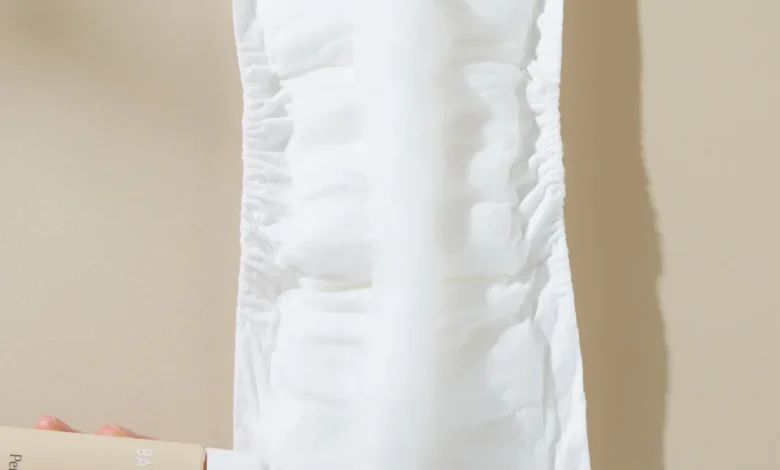
Regardless of which traditional practices a family follows, certain modern products are essential. Post delivery pads are at the top of this list. Traditional cloth pads still recommended in some households cannot manage first-week lochia hygienically. The volume, the clotting, and the duration of postpartum bleeding demand products engineered specifically for this purpose.
Maternity pads for the postpartum recovery period should be stocked before the due date running out during the first week creates unnecessary stress and hygiene risks. Post delivery pads designed for heavy flow provide coverage that cloth alternatives simply cannot match.
For C-section mothers managing both lochia and potential urine leaks from catheter removal, dry pants offer combined flow and leak management in one product. Post delivery pads remain the primary product, with dry pants as a supplementary option during the first 10 days.
Other modern essentials include a breast pump (manual or electric), perineal wash spray, breathable cotton undergarments, and a digital thermometer for monitoring post-surgical fever. Post delivery pads, in particular, should be the first item on any hospital bag checklist having post delivery pads ready eliminates one of the most common postpartum product shortages. Families should purchase post delivery pads in bulk, keeping at least a 3-week supply at home before the expected delivery date.
The 40-day confinement period, when approached with a balanced perspective, offers genuine recovery benefits. Combining the nutritional wisdom of traditional practices with the hygiene reliability of post delivery pads and modern medical monitoring creates the safest and most comfortable postpartum experience for both mother and baby.
Conclusion
Ultimately, the best postpartum confinement practices are the ones that support both recovery and hygiene. Families do not need to choose between tradition and modernity the two coexist naturally when the right products, including post delivery pads, are incorporated into the confinement routine from day one.