Maximize Your Cargo: A Deep Dive Into The Versatility Of Stacker Trailers
Unleashing the Potential: What are Stacker Trailers?
A Closer Look at Design and Functionality
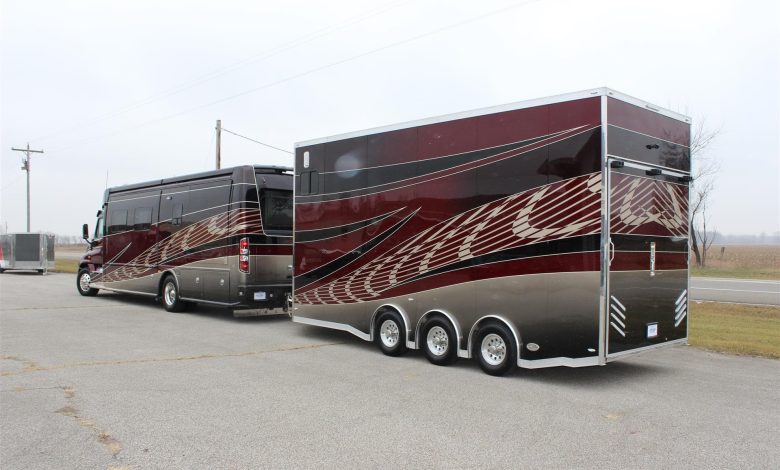
Stacker trailers are specialized transport solutions designed to efficiently carry a wide range of vehicles, equipment, and cargo while optimizing space utilization. These trailers typically feature multiple levels or tiers, allowing users to transport two or more vehicles stacked one above the other, which significantly enhances their carrying capacity. Designed predominantly for reliability and efficiency, stacker trailers come in various configurations, including open or enclosed designs, each catering to specific transport needs. A standard stacker trailer often comprises a robust frame, durable axles, and carefully engineered ramps for safe loading and unloading. The design considerations extend beyond mere aesthetics; they encompass the essential requirements that ensure cargo safety during transport, accessibility for drivers, and ease of use for operators.
The Evolution of Stacker Trailers in Transportation
The origins of stacker trailers can be traced back to the need for more efficient transportation methods in niche markets, particularly in motorsports. As racing became more popular, teams required a way to transport multiple cars, tools, and gear without needing several vehicles. Over the years, the design and features of stacker trailers have evolved considerably due to advancements in engineering and materials science. Manufacturers have increasingly focused on enhancing the structural integrity of trailers while minimizing weight, thus improving fuel efficiency and ease of towing. Furthermore, technological innovations have led to the integration of features such as electric winches, hydraulic lifts, and customizable interiors, making stacker trailers not just transport solutions but multi-functional mobile workshops for various industries.
Key Features That Set Stacker Trailers Apart
When evaluating stacker trailers, several key features distinguish them from traditional trailers. For instance, the dual-level design permits users to maximize their cargo space without needing an excessively long trailer. Coupled with integrated tie-down systems, these trailers ensure that your vehicles are secure, preventing movement during transit. Moreover, stacker trailers often come equipped with high-quality materials that can endure the stresses of long-distance travel, including reinforced floors and aluminum siding that resists rust and corrosion. Additionally, many modern stacker trailers incorporate advanced suspension systems that improve road handling, reducing the chances of cargo damage. Customization options such as adjustable dividers, built-in storage compartments, and upgraded lighting further enhance their functionality, making them ideal for diverse transport needs.
Why Choose Stacker Trailers? The Ultimate Advantages
Space-Saving Solutions for Storage and Transport
One of the standout advantages of stacker trailers is their ability to optimize space, delivering effective solutions for transport and storage. In a world where space can come at a premium — especially for businesses that deal with numerous vehicles or equipment — stacker trailers allow for efficient vertical stacking of cargo. This feature translates directly into cost savings by reducing the need for multiple trips or large, cumbersome haulers. The smart design means you can potentially reduce your operational costs and increase the efficiency of transportation logistics. Additionally, stackers can serve a dual purpose; when not in use for transport, they can function as a convenient storage space for vehicles, freeing up real estate at service centers or workshops.
Enhanced Safety and Protection for Your Cargo
Safety is paramount when transporting valuable vehicles or equipment, and stacker trailers are designed to excel in this regard. Their sturdy construction grants peace of mind that your cargo is protected from external elements, impacts, and vibrations associated with travel. Enclosed stacker trailers, specifically, offer an additional layer of protection against weather, dust, and theft, making them suitable for high-value items. Integrated safety features such as wheel chocks, safety chains, and strong tie-downs ensure that vehicles remain secured during transit. Furthermore, many stacker trailers are equipped with advanced braking systems that provide superior stopping power, enhancing overall safety and control. In the long term, investing in a high-quality stacker trailer significantly mitigates the risk and potential costs associated with cargo damage.
Versatility Across Industries: From Racing to Camping
The versatility of stacker trailers positions them as prime choices not only for racing teams but across various industries. Professionals in motorsports rely on stacker trailers for efficient transport of multiple race cars, tools, and spare parts. Still, this adaptability increasingly finds relevance in recreational sectors, like camping and outdoor adventures, where stacker trailers can transport ATVs, motorcycles, and camping gear. Construction firms leverage stacker trailers to carry heavy machinery and tools to job sites, while businesses in the automotive repair industry utilize them to transport clients’ vehicles. This cross-industry applicability reinforces the value of stacker trailers as multifaceted solutions tailored to meet diverse operational needs.
Choosing the Right Stacker Trailer: What to Consider
Understanding Your Specific Transport Needs
Selecting the right stacker trailer begins with a keen understanding of your unique transport requirements. Begin by asking fundamental questions: What will you be transporting? How many vehicles or items do you need to carry at once? And what are the weight limitations of your towing vehicle? Evaluating these factors can guide you towards the appropriate size, weight capacity, and configuration of a stacker trailer tailored to your needs. For instance, if you’re transporting high-end race cars, you might prioritize enclosed trailers for added protection, while those needing to haul construction equipment may focus on a heavier-duty model with a higher load capacity. Halting at each of these considerations ensures the smart selection of a trailer that will serve you reliably and effectively over the long haul.
Comparing Materials and Build Quality
The construction materials and build quality of stacker trailers play crucial roles in determining their durability, performance, and maintenance requirements. Aluminum trailers, for instance, are lightweight, resistant to corrosion, and ideal for maximizing fuel efficiency; however, they might come with a higher price tag compared to traditional steel options. On the other hand, steel trailers are known for their strength and resistance to heavy loads, but they can be heavier and require additional maintenance to prevent rust. When assessing trailers, consider investing in models with high-quality intercooler systems, larger service doors for easy access, and durable flooring that withstands considerable wear and tear. Like any investment, the upfront cost might be significant, but the long-term performance should justify it by offering longevity and reduced repair expenses over time.
Cost vs. Value: Finding Your Ideal Balance
When selecting your stacker trailer, finding the balance between cost and value is critical. While it’s tempting to opt for a less expensive model, it’s essential to assess whether compromising on quality leads to long-term expense. This requires careful scrutiny, including warranty options, resale value, insurance implications, and operational efficiency, all contributing to a model’s overall value. You might discover that a trailer with a higher upfront cost incurs lower maintenance costs, enhanced fuel economy, and a higher resale value down the line. Therefore, establishing a budget should go hand-in-hand with thorough research into which models offer the best return on investment while meeting your specific needs.
Maximizing Efficiency: Tips for Using Stacker Trailers
Loading and Unloading Techniques for Safety and Speed
Efficiency in using stacker trailers can significantly enhance your operational productivity. Employing the right loading and unloading techniques is essential for not only safeguarding your cargo but also minimizing time spent on these tasks. First, ensure that the trailer is parked on a level surface to prevent roll-away accidents. Utilize ramps for safe access to the upper layers of stacked vehicles, ensuring they are securely attached before use. It’s advisable to load the heaviest items first, as this centers the trailer’s weight and lowers the center of gravity, thus enhancing stability while towing. When unloading, use precautions to prevent sudden shifts in weight distribution. Simple practices like these can lead to a safer working environment, while also optimizing the overall transport process.
Maintenance Tips to Extend Your Trailer’s Lifespan
To maximize the return on your investment, regular maintenance of your stacker trailer is crucial. Establishing a maintenance routine that includes checking tire pressure, examining brakes, and inspecting the trailer’s frame or suspension will help uphold performance and safety. Keeping moving parts well-lubricated will reduce wear and tear, while routine cleaning can prevent rust buildup, especially in steel trailers. It’s also wise to periodically review the trailer’s lights and wiring to ensure all electrical systems are functioning correctly. Consider keeping a maintenance log, noting each service action, allowing you to track changes over time. This diligence not only prolongs the lifespan of your stacker trailer but also ensures that it maintains its value in the long run.
Innovative Accessories that Enhance Functionality
Lastly, understanding the various accessories available can significantly enhance the functionality of stacker trailers. Accessories like heavy-duty straps, wheel nets, and specialized cargo management systems can improve the safety and efficiency of transporting items while minimizing movement or slippage. Many stacker trailers can be upgraded with additional storage solutions like overhead cabinets or toolboxes, allowing for better organization during transport. Additionally, investing in GPS tracking systems can provide peace of mind, allowing owners to monitor the location and security of their cargo in real-time. These innovative solutions not only maximize the utility of your stacker trailer but also foster a more organized and efficient environment for your transport needs.
FAQ
Question: What types of vehicles can be transported using stacker trailers? – Stacker trailers are capable of transporting various types of vehicles, including race cars, off-road vehicles, motorcycles, and even small construction equipment, depending on the trailer’s specifications and configurations.
Question: Are stacker trailers suitable for long-distance travel? – Yes, stacker trailers are designed for long-distance travel, with features that enhance stability, durability, and cargo protection, making them an excellent choice for transporting vehicles over extended distances.
Question: How do I determine the weight capacity of my stacker trailer? – The weight capacity of a stacker trailer is typically specified by the manufacturer and can be found on the trailer’s documentation or specifications. It is crucial to adhere to this limit to ensure safe transport and avoid damage.
Question: Can stacker trailers be customized? – Yes, many manufacturers offer customization options for stacker trailers, allowing buyers to incorporate features such as adjustable shelves, additional storage compartments, or specific tie-down systems to cater to unique transport needs.
Question: What maintenance is required for stacker trailers? – Regular maintenance for stacker trailers includes checking tire pressure, inspecting brakes, lubricating moving parts, cleaning the trailer, and ensuring that all electrical systems, such as lights and wiring, are functioning properly.
Question: How to choose between an enclosed and open stacker trailer? – The choice between an enclosed and open stacker trailer depends on the type of cargo. Enclosed trailers offer better protection against weather and theft, while open trailers provide easier access and are often lighter and less expensive.
Question: What safety features should I look for in a stacker trailer? – Important safety features in stacker trailers include strong tie-down systems, safety chains, wheel chocks, advanced braking systems, and comprehensive weather protection to ensure cargo security during transport.
Question: How do I load vehicles safely into a stacker trailer? – To load vehicles safely into a stacker trailer, ensure the trailer is on a level surface, utilize proper loading ramps, start with the heaviest vehicles on the bottom, and secure each vehicle with appropriate tie-downs to prevent movement during transit.
Useful Resources
- National Trailer Dealers Association
- Trailer Life Magazine
- Fleet Owner
- American Trucking Associations
- Trucking Info
- Internal Revenue Service (IRS)
- National Safety Council
- National Highway Traffic Safety Administration