From Ordinary To Extraordinary: The Complete Guide To Car Wrapping
The Art of Car Wrapping: More Than Just Aesthetic Appeal
Unveiling the Craftsmanship Behind Car Wraps
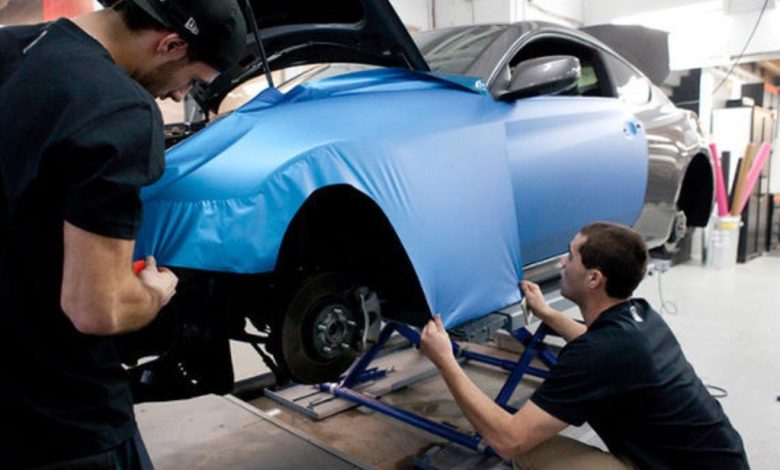
Car wrapping is a sophisticated art form that blends creativity and innovation. It involves applying a vinyl film to the surface of a vehicle, transforming its appearance and protecting the underlying paint. The technique has gained immense popularity due to its versatility and the dramatic visual impact it can achieve. Each wrap is a canvas; skilled craftsmen meticulously measure, cut, and apply high-quality vinyl to ensure a perfect fit. The craftsmanship involved is vital, as it requires a blend of technical skill and artistic design. Designers must consider not only the visual components, such as color, texture, and finish, but also the vehicle’s curves and edges. This precision ensures that every contour is highlighted, resulting in a masterpiece that could rival custom paint jobs.
Different vinyl materials offer varying finishes, from matte to gloss, and even metallic options, allowing vehicle owners to select a style that reflects their personality and brand image. Furthermore, the technology surrounding car wraps has evolved, offering advanced adhesives that allow for easy application and removal without damaging the vehicle beneath. This revolution means that car wraps can also serve as a temporary solution for those who might want to change their vehicle’s look periodically, making it a more flexible option than traditional paint jobs.
How Car Wraps Can Transform Your Vehicle’s Identity
A car is often considered an extension of one’s personal identity or a reflection of an organization’s branding. Car wraps can significantly alter this perception, dramatically enhancing its head-turning potential. With a simple wrap, a dull, factory-colored vehicle can be transformed into a striking, one-of-a-kind masterpiece, making a clear statement on the road. For businesses, a wrap is more than just aesthetics; it serves as a mobile billboard that can dramatically increase visibility and brand recognition. Research indicates that car wraps can generate thousands of impressions daily, turning your vehicle into a marketing asset that works 24/7.
The ability to communicate through a car wrap goes beyond mere visual appeal. Custom designs can incorporate logos, colors, and messages that resonate with target audiences, fostering an emotional connection. The potential for thematic designs—be it a full wrap, partial wrap, or even a window graphic—opens the door to unlimited creative possibilities. Wraps can also reflect lifestyle choices, hobbies, or affiliations, making it an ideal way for enthusiasts to personalize their vehicles in a way that stands out.
Choosing the Right Material: A Crucial Decision for Your Car Wrap
Vinyl vs. Other Materials: What You Need to Know
When considering a car wrap, the type of material plays a pivotal role in determining the wrap’s quality, longevity, and appearance. Vinyl is the most commonly used material for car wraps due to its exceptional properties, which include flexibility, durability, and ease of installation. Unlike paint, which involves irreversible changes, vinyl wraps can be removed and replaced without damaging the original finish of the vehicle. This flexibility makes vinyl an appealing option for many vehicle owners.
There are two primary types of vinyl used in car wrapping: cast vinyl and calendared vinyl. Cast vinyl is often considered the superior choice for vehicle wraps, as it is more durable and conforms better to the vehicle’s curves, making it ideal for complex shapes. Calendared vinyl, while generally less expensive, tends to be thicker and less flexible, limiting its application to flatter surfaces. Additionally, the longevity of cast vinyl can reach up to seven years, whereas calendared materials may only last for three to five years, depending on environmental conditions.
Beyond vinyl, alternative materials like carbon fiber and specialized textured films are emerging trends in the car wrapping industry. These materials can provide unique aesthetics but may not offer the same level of protection or durability compared to high-quality vinyl. Thus, understanding the advantages and limitations of each material is imperative for achieving the desired look and performance from a car wrap.
Understanding Durability and Weather Resistance in Car Wraps
Durability is a critical factor to consider when selecting a material for your car wrap. Factors such as sun exposure, weather conditions, and cleaning methods can significantly influence the lifespan of a wrap. High-quality vinyl wraps are designed with UV-resistant properties, helping to prevent fading and discoloration from prolonged exposure to sunlight. This UV resistance is essential not just for aesthetic reasons but also for preserving the underlying paintwork from potential damage.
Additionally, the wrap’s weather resistance is crucial, particularly for vehicles subjected to varying climates. Premium-grade vinyl is typically engineered to withstand harsh conditions, including rain, snow, and extreme temperatures. These wraps often include protective coatings that repel dirt, grime, and water, making them easier to clean and maintain. Understanding these properties can assist vehicle owners in making informed choices that align with their local climate and intended use for the vehicle.
It is also noteworthy that routine maintenance can significantly enhance the longevity and performance of a car wrap. Owners should avoid using abrasive cleaners and opt for soft, non-abrasive materials when washing the vehicle to prevent scratching the wrap. Proper care, combined with the right material choice, ensures that your car wrap will not only look stunning but also stand the test of time.
The Process of Transforming Your Ride: Step-by-Step Guide to Car Wrapping
Preparation: Cleaning and Prepping Your Vehicle for a Perfect Wrap
The successful application of a car wrap begins long before the vinyl is ever laid on the surface. Preparation is essential to ensure that the wrap adheres properly and achieves a flawless appearance. First, the vehicle should be thoroughly cleaned to remove any dirt, oil, or wax that could impede adhesion. A professional car wash followed by a hand wash with a mild detergent is often recommended to achieve the best results. It’s crucial to pay special attention to crevices and areas where dirt accumulates, as even small particles can make the wrap vulnerable to peeling or bubbling.
After washing, the vehicle should be thoroughly dried using microfiber towels to prevent water spots from forming. Following this, any imperfections in the surface should be addressed. This includes repairing scratches, dents, or rust spots, as these flaws can show through the wrap, detracting from its overall appearance. For the best results, some professionals recommend applying a primer or a dedicated vinyl wrap adhesive promoter to enhance adhesion on particularly challenging surfaces.
Finally, it’s essential to ensure that the vehicle is in a controlled environment during installation. High humidity or extreme temperature conditions can impact the wrap’s effectiveness, leading to inaccuracies during installation and potential long-term issues. By managing environmental factors and prepping the vehicle meticulously, owners set the stage for a successful car wrap application.
Installation Techniques: DIY or Professional? Making the Right Choice
When it comes to applying a car wrap, one of the first decisions to make is whether to undertake the project as a DIY endeavor or to enlist the expertise of a professional installer. Both options have their merits and pitfalls, making it crucial to assess one’s skills, resources, and desired outcomes before proceeding.
DIY installation can be a fulfilling project for those with a passion for automotive aesthetics. With a variety of instructional videos and kits available, enthusiasts can equip themselves with the knowledge and tools necessary to handle the task. However, it’s important to understand the risks associated with this approach. Poor application can lead to unsightly bubbles, creases, and premature wear. Additionally, the learning curve associated with wrapping can be steep, and without prior experience, achieving a professional-looking result may be challenging.
On the other hand, hiring a professional installer can offer peace of mind and superior quality assurance. Professionals have access to high-end materials, advanced techniques, and the necessary tools to tackle any challenges that arise during installation. Skilled technicians can ensure the wrap fits flawlessly, taking into account the vehicle’s curves and highlights. Additionally, a professional installation often comes with a warranty, guarding against defects and providing a layer of security for the investment. Ultimately, the decision to DIY or hire a professional should hinge on the individual’s skill level, budget, and the importance of achieving a flawless finish.
Maintaining Your Car Wrap: Tips for Longevity and Preservation
Essential Care Instructions to Keep Your Wrap Looking Fresh
Once your car wrap is applied, maintaining its appearance is vital to ensure its longevity and aesthetic appeal. Regular maintenance can prevent premature wear and keep your vehicle looking sharp for years to come. A fundamental care guideline is to wash the wrapped vehicle regularly, but care must be exercised in the washing method. Hand washing is preferred over drive-through car washes, where brushes can scratch or damage the vinyl. Using a pH-balanced car wash soap combined with a soft sponge or microfiber mitt will minimize the risk of scratching while effectively removing dirt and grime.
In addition to washing, waxing is generally not advisable for wrapped vehicles due to the potential for wax buildup that can interfere with the wrap’s appearance. Instead, specialized vinyl wrap cleaners and sealants designed to enhance the appearance of wraps without causing damage should be used. These products can help protect the wrap from UV rays and environmental contaminants, ensuring it maintains its vibrant color and finish.
It’s also essential to protect the wrap from harsh weather conditions whenever possible. Parking in shaded areas or using car covers during severe weather can significantly impact the wrap’s integrity. Avoiding long-term exposure to extreme heat or cold will help safeguard against warping and unwanted wear. By prioritizing proper care and maintenance, vehicle owners can ensure that their wrap continues to look amazing and effectively protect the underlying paint for an extended period.
Dealing with Damage: Repairing and Replacing Your Car Wrap
No matter how careful a driver is, wear and tear on a car wrap is sometimes inevitable. From minor scratches and scuffs to larger tears, knowing how to manage damage can prolong the wrap’s lifespan and maintain the vehicle’s aesthetics. For minor imperfections, specialized vinyl repair kits are available that can help patch up small areas without the need for a full replacement. These kits typically include patches or adhesive specifically designed for use with vinyl materials, allowing for seamless repairs. For deeper cuts or substantial damage, the affected section may need to be replaced entirely.
In the case of significant wear, replacement is often the best avenue. Professional installers can remove the damaged areas and reapply new vinyl, ensuring that the wrap maintains a cohesive appearance. Additionally, it’s important to consider the overall condition of the wrap; if numerous sections are damaged or discolored, a complete replacement may be beneficial. This not only restores the vehicle’s appearance but can also enhance protection levels against UV rays and environmental contaminants.
Ultimately, being proactive and addressing damage early is essential for maintaining both the visual appeal of the wrap and the integrity of the vehicle’s paint. Keeping a close eye on the condition of the wrap and understanding the resources available for repairs ensures that your investment is well-protected, allowing for lasting enjoyment of your vehicle’s new look.
FAQ
Question: What are the main benefits of car wrapping compared to painting? – Car wrapping is less permanent than painting, allowing for easy removal and change of design. Wraps also protect the original paint from UV rays, scratches, and weathering, which can extend the life of the vehicle’s paint job.
Question: How long does a car wrap typically last? – The lifespan of a car wrap depends on the quality of the vinyl and environmental conditions, but high-quality cast vinyl can last up to seven years, while calendared vinyl may last between three to five years.
Question: Can I use a car wash on a wrapped vehicle? – It is recommended to avoid drive-through car washes that use brushes, as they can scratch the vinyl. Hand washing with a pH-balanced soap using soft materials is preferred to maintain the wrap’s appearance.
Question: Are there specific conditions that affect the installation of a car wrap? – Yes, high humidity, extreme temperatures, and direct sunlight can impact the application of the wrap. Installing in a controlled environment with minimal dust and stable temperatures is ideal for achieving the best results.
Question: Can I apply a vinyl wrap over existing paint or a previously wrapped surface? – Yes, you can apply a vinyl wrap over existing paint, but it’s important that the surface is clean, smooth, and free from imperfections. Be cautious with previously wrapped surfaces as residues can affect adhesion.
Question: What types of designs can be applied to a car wrap? – Car wraps can incorporate a wide range of designs, including logos, patterns, graphics, and full-color images. Custom designs can be tailored to personal or business branding, enhancing visual appeal.
Question: Is it possible to remove a car wrap without damaging the paint? – Yes, high-quality vinyl wraps are designed for easy removal, leaving the underlying paint intact if done correctly. It’s best to have a professional installer remove the wrap to minimize the risk of damage.
Question: How can I protect my car wrap from environmental damage? – To protect your car wrap, park in shaded areas, use car covers during severe weather, and regularly clean the wrap using specialized vinyl cleaners to maintain its appearance and longevity.
Useful Resources
- Signs & Graphics Manufacturers Association (SGIA)
- Sign Warehouse
- Avery Dennison
- Fellers
- 3M
- Vinyl Wraps
- National Geographic Education
- Ustream – DIY Videos and Tutorials