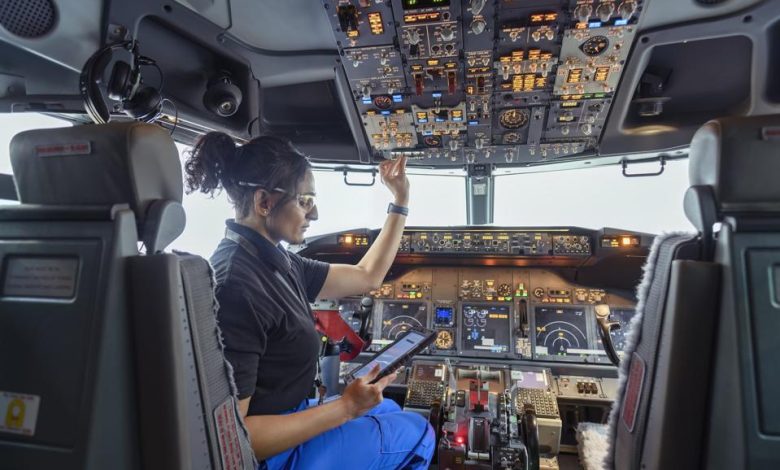
Beyond The Cockpit: How Online Training Is Reshaping Aviation Careers
Understanding the Landscape of Online Airplane Training
Why Choose Online Training Over Traditional Methods?
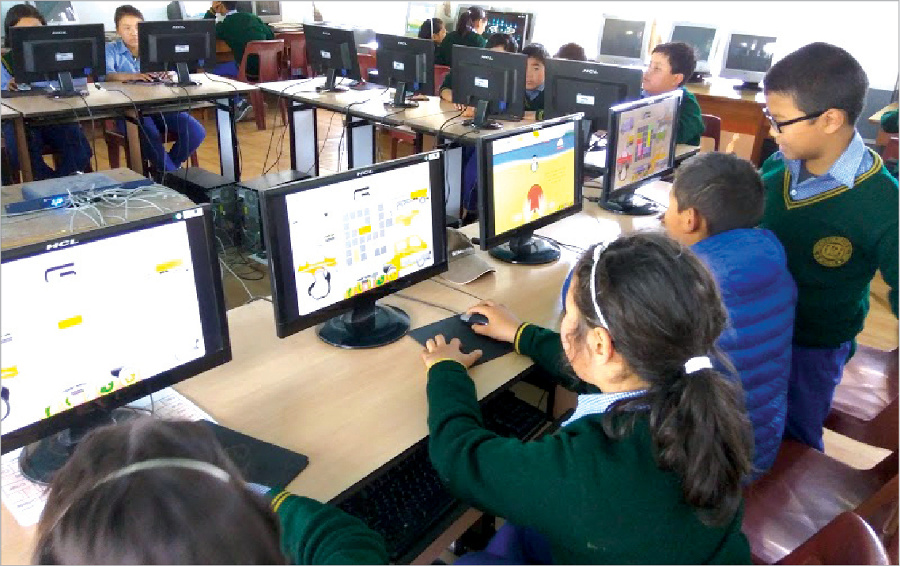
The aviation industry is evolving rapidly, and the methods by which aspiring professionals acquire their skills must adapt accordingly. Online airplane training offers flexibility and accessibility that traditional classroom settings simply cannot match. For instance, students can access a wealth of resources anytime and anywhere, allowing them to tailor their learning pace to their own needs and commitments. This flexibility is particularly beneficial for busy individuals who may be balancing work, family, and education. Furthermore, online training programs are often designed to be more interactive and engaging, utilizing multimedia resources that appeal to various learning styles—be it through videos, simulations, or interactive quizzes.
Additionally, the proliferation of high-quality online programs has democratized access to aviation education. Learners can now enroll in courses offered by prestigious institutions without the geographical constraints traditionally associated with such programs. This broad access means that students from diverse backgrounds and locations have the opportunity to upskill and enter the aviation sector, which was previously limited to those who could afford to attend elite institutions. The potential for unscripted networking and collaboration with peers around the world can also foster innovative ideas and solutions tailored to the global arena.
Types of Online Airlines Training Programs Available
A plethora of online airplane training programs cater to different aspects of aviation, from foundational courses for beginners to specialized training for pilots and cabin crew. For instance, aspiring pilots can enroll in comprehensive ground school programs that cover crucial topics like aerodynamics, navigation, meteorology, and aviation regulations. These programs often culminate in a certification that enhances the graduate’s appeal to potential employers.
Moreover, dedicated courses for specific aircraft types, advanced maneuvers, and emergency protocols ensure that current pilots can stay sharp and compliant with industry standards. Similarly, cabin crew training is essential for those seeking a rewarding career in passenger services. Such programs cover safety procedures, passenger interaction, and crisis management techniques, all of which are crucial for ensuring both the safety and comfort of airline passengers. Looking beyond flying and service, areas such as air traffic control, aircraft maintenance, and flight dispatch are also critical components of the aviation industry, with specialized training available online.
The Role of Technology in Modern Aviation Education
The modern aviation training experience is heavily reliant on technology, which enhances both the learning process and the educational outcomes for students. Advanced simulations, including flight simulators and virtual reality training modules, replicate real-life flying conditions, allowing for safe and immersive training experiences without ever leaving the ground. These technological tools provide invaluable practice for pilots, equipping them with the skills needed to handle complex scenarios in a controlled environment.
The integration of artificial intelligence and machine learning in online programs is paving the way for personalized learning experiences that assess a learner’s proficiency and tailor subsequent modules based on performance. This not only ensures a deeper understanding of material but also keeps learners engaged and motivated. Furthermore, the increasing importance of collaborative learning platforms enhances peer interaction, allowing students to share insights, experiences, and strategies, thereby enriching the learning journey. Overall, technology is not just a tool but a transformative element in the way aviation education is delivered and experienced.
Navigating Your Career Path in the Aviation Industry
From Aspiring Pilot to Industry Leader: Your Journey Begins Here
Embarking on a career in aviation often begins with a dream—a fascination with flight and an ambition to soar among the clouds. However, the path from aspiring pilot to a leader in the industry is nuanced and multifaceted. Developing a clear plan and being aware of the various stages in the journey is crucial. This journey typically starts with foundational training, where individuals learn the basic principles of aerodynamics and navigation, alongside practical flying experiences. Obtaining the necessary licenses and certifications is a critical milestone, determining the readiness to enter the aviation workforce.
As candidates accumulate flight hours, many choose to specialize further, potentially moving into areas such as commercial piloting, flight instructing, or even corporate aviation. In tandem with flying skills, embracing leadership training and professional development is crucial for those aspiring to reach higher echelons within the aviation world. By engaging in online training modules that focus on leadership skills, business acumen, and strategic decision-making, aviation professionals can position themselves for promotions and greater responsibilities, ultimately allowing them to contribute to innovations that shape the future of air travel.
Identifying Career Opportunities: Beyond the Cockpit
Contrary to popular belief, a career in aviation extends far beyond the cockpit. While pilot and cabin crew positions are indeed vital components of the industry, numerous other career paths offer lucrative opportunities and personal satisfaction. For instance, aviation maintenance technicians ensure that aircraft remain in optimal condition and comply with safety regulations, playing an indispensable role in air travel. Their expertise is critical not only for the operational efficiency of airlines but also for passenger safety.
Moreover, there’s a burgeoning demand for aviation management professionals who are equipped with the skills to handle the intricacies of airline operations, from scheduling to financial management. Similarly, air traffic controllers and airport operations specialists help facilitate the safe and efficient movement of aircraft, requiring a combination of tactical decision-making and a thorough understanding of regulations. By leveraging online training, individuals interested in these roles can acquire the requisite skills and knowledge that align with current industry needs, thus enhancing their employment prospects.
How Online Training Can Fast-Track Your Career Growth
The dynamic nature of the aviation industry necessitates continuous learning and skills enhancement. Online training offers a strategic advantage for individuals eager to speed up their career trajectory. By enrolling in targeted online courses, professionals can acquire specialized knowledge relevant to their current roles or future aspirations. For instance, comprehensive online modules covering regulatory changes, advanced flying techniques, or even emerging technologies within aviation can set candidates apart in a competitive job market.
Moreover, the ability to complete coursework on a flexible schedule allows professionals to balance ongoing employment with learning, providing opportunities for immediate application of new skills in their current positions. This real-time application not only reinforces learning but can also result in immediate improvements in job performance and satisfaction. Furthermore, many online courses include forums and networking opportunities that connect students with industry veterans and peers alike, fostering valuable relationships that can lead to mentorship opportunities and job openings in the future.
The Essential Skills You’ll Master Through Online Training
Technical Proficiencies: What You Need to Know
In an industry where technical skills are paramount, online airplane training programs provide an avenue for aspiring aviation professionals to master essential knowledge. For pilots, understanding flight systems, navigation technology, and aircraft mechanics is foundational. Courses focused on avionics cover intricate details of communication systems and instruments, equipping learners with the understanding necessary to operate various kinds of aircraft safely. Additionally, programs designed for maintenance technicians delve deeply into mechanical systems, fault diagnosis, and safety checks, ensuring that professionals are well-prepared to meet the rigorous standards set by aviation authorities.
The rise of drones and unmanned aerial vehicles (UAVs) is another area where technical proficiency is increasingly valuable. As industries look to harness the advantages of drone technology for surveying, cargo transport, and more, educational institutions are offering online certifications tailored to this emerging market. Gaining skills in this cutting-edge field presents a unique opportunity for advancement as businesses seek trained professionals capable of managing, monitoring, and operating UAVs effectively.
Soft Skills: The Unsung Heroes of the Aviation World
While technical skills often take center stage in discussions surrounding aviation training, soft skills play an equally crucial role in determining career success. Skills such as communication, problem-solving, teamwork, and emotional intelligence can heavily influence an individual’s effectiveness in various roles. For instance, pilots must communicate clearly and effectively with air traffic control, cabin crew, and passengers, often under high-pressure situations. Similarly, flight attendants are tasked with managing passenger inquiries and ensuring safety, requiring strong interpersonal skills and empathy.
Online training programs can incorporate modules that enhance these soft skills, featuring real-world scenarios that simulate interpersonal interactions and crises. Role-playing exercises, online discussions, and peer feedback can create a dynamic learning experience that allows students to develop the nimble thinking and emotional resilience necessary for success in fast-paced aviation environments. As organizations place increasing emphasis on team dynamics and customer service, those equipped with robust soft skills will be highly sought after in the competitive market.
Staying Updated: Adapting to New Aviation Technologies
The aviation industry is known for its continuous advancements in technology, necessitating that professionals remain vigilant and adaptable. Online training provides an efficient means to stay abreast of the latest developments, ensuring that learners are not only knowledgeable of current protocols but also equipped to utilize emerging technologies in their work. Courses focused on innovations such as aviation software, predictive maintenance analytics, and even the implementation of sustainable aviation practices are becoming increasingly available.
The ability to embrace new technologies also speaks to an individual’s overall adaptability, a trait that is greatly admired in the aviation industry. Employees who demonstrate a proactive approach toward learning and adapting can emerge as leaders in their respective fields, guiding colleagues through transitions and implementing innovations that further enhance operational efficiency. By using online training as a tool to keep on top of industry trends and technologies, professionals can harness opportunities for growth and position themselves as invaluable assets to their organizations.
Real-Life Success Stories: Transformations Through Online Learning
Case Study: From Flight Enthusiast to Commercial Pilot
Many individuals have embarked on their aviation careers driven by a passion for flying and the desire to transform that passion into a profession. Take, for example, the story of Sarah, who transitioned from a flight enthusiast to earning her commercial pilot license through an online training program. Initially overwhelmed by the sheer volume of information and the complexity of aviation regulations, Sarah utilized an online ground school course that allowed her to learn at her own pace. The program’s engaging multimedia content kept her motivated, while interactive quizzes provided her with the confidence to tackle exams head-on.
Once she graduated from her online ground school, Sarah progressed to flight training, which she was able to supplement with the knowledge and skills she had just learned. This strategic pairing of theory and hands-on experience led to her obtaining her commercial pilot license in less time than anticipated. Her story exemplifies how dedication to online training can expedite one’s journey from dreamer to professional, showcasing the potential realities available to passionate aviation enthusiasts willing to invest in their education.
How Online Training Changed the Game for Cabin Crew Professionals
Cabin crew roles have long been associated with a vibrant customer service experience, but the rigorous training involved can oftentimes be daunting. Mike, a former hospitality worker, transitioned into the aviation industry eager to explore new avenues. Enrolling in an online cabin crew training program enabled him to learn critical safety procedures, emergency response tactics, and customer service protocols at his own pace. The practical training elements—expressed through simulations, informational videos, and comprehensive assessments—proved instrumental in building his confidence.
Once he successfully completed the online training module and passed the corresponding evaluations, Mike was able to secure a position with a major airline. His success story underscores the unique potential of online education to transform lives through accessible training programs that respond to the evolving demands of the industry.
Integrating Online Learning with Real-World Experience
Numerous success stories underscore the balance between online training and real-world application, illustrating how such integration fosters profound skills development. Consider Laura, a technician in the aviation maintenance sector who began her career through traditional avenues. After progressing through her first few roles, she recognized the need to elevate her skillset alongside the rapidly advancing technology in her field. By enrolling in an online aviation maintenance training program, Laura was able to delve into specialized topics such as advanced diagnostic tools and trouble-shooting techniques, complementing the hands-on experience she gained in the field.
Through this integration of theory and practice, Laura not only enhanced her competencies but also qualified for supervisory roles sooner than she initially anticipated. Her transformation elucidates the value of continual learning in a profession shaped by innovation; while hands-on experience is critical, investing in online education can be the catalyst for serious career advancement and personal growth within the aviation sector.
FAQ
Question: What are the prerequisites for enrolling in online airplane training programs? – Many online airplane training programs do not require specific prerequisites beyond a basic education; however, for advanced courses, some prior knowledge of aviation or specific certifications may be beneficial.
Question: How long does it typically take to complete an online airplane training course? – The duration of online airplane training courses can vary significantly, ranging from a few weeks for short courses to several months or even years for comprehensive programs, depending on the complexity and depth of the material covered.
Question: Are online airplane training programs recognized by the aviation industry? – Yes, many online airplane training programs are accredited and recognized by aviation authorities and industry leaders, provided they meet specific standards and guidelines established by regulatory bodies.
Question: Can I learn at my own pace with online airplane training? – Absolutely! One of the key advantages of online airplane training is the flexibility it offers, allowing students to learn at their own pace and manage their study schedules according to their personal commitments.
Question: What types of certifications can I obtain through online airplane training? – Depending on the program, students can earn various certifications, including private pilot licenses, commercial pilot licenses, cabin crew certifications, and specialized qualifications for maintenance and air traffic control.
Question: Is financial aid available for online airplane training programs? – Many institutions offering online airplane training do provide financial aid options, scholarships, and payment plans to help students manage their tuition costs; it’s best to check directly with the school for specific offerings.
Question: How can online airplane training improve my job prospects in aviation? – Online airplane training enhances job prospects by providing industry-relevant knowledge, skills, and recognized certifications that make candidates more competitive in the hiring process.
Question: What support can I expect while enrolled in an online airplane training program? – Students can often expect a range of support resources while enrolled in online training programs, including access to instructors, peer forums, mentorship opportunities, and technical support, which enhance the overall learning experience.
Useful Resources
- Federal Aviation Administration (FAA)
- Aviation Training
- European Union Aviation Safety Agency (EASA)
- FlightGlobal
- The Pilot Journey
- Red Bull Aviation
- Cabin Crew Training
- Airlines for America (A4A)