Why Polyurethane Coatings Have Become A Go-To Solution For Long-Lasting Surface Protection
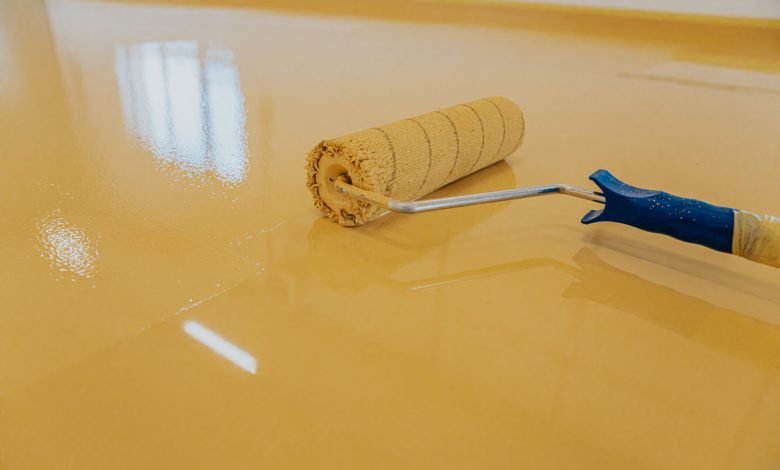
Walk through a busy warehouse, a sun exposed loading dock, or a high traffic commercial floor, and you can usually spot the same story playing out. Fading surfaces. Hairline cracks. Coatings that looked fine a few years ago are now peeling or wearing thin. It is a familiar problem for property owners and facility managers who need surfaces to hold up under constant use and harsh conditions.
This is where polyurethane coatings have quietly earned their reputation. They are not flashy, and they rarely get attention outside of industrial or commercial circles. Yet when it comes to protecting surfaces from sunlight, abrasion, chemicals, and everyday wear, few solutions are as versatile or reliable. Understanding how these coatings work and where they shine can help explain why they are used across so many demanding environments.
Understanding What Polyurethane Coating Really Is
At its core, a polyurethane coating is a protective layer designed to shield surfaces from physical and environmental damage. It forms a durable film that bonds tightly to the substrate below, creating a barrier against moisture, UV exposure, and mechanical stress.
Polyurethane coatings are typically either water based or solvent based, with formulations tailored for different performance needs. Some prioritize flexibility, others hardness, and many strike a balance between the two. This adaptability is one reason they appear in such a wide range of applications, from industrial floors to exterior metal structures.
Unlike simple paint, these coatings are engineered systems. Their chemistry allows them to cure into a tough yet resilient surface that can handle movement, impact, and temperature changes without cracking or peeling prematurely.
Why Durability Matters More Than Ever
Modern facilities operate under pressures that did not exist a few decades ago. Equipment is heavier. Foot and vehicle traffic is more constant. Outdoor surfaces face stronger UV exposure due to longer service hours and open layouts.
When a surface fails early, the cost goes beyond aesthetics. Repairs can disrupt operations, create safety hazards, and add unplanned expenses. A durable coating helps extend service life, reducing downtime and long term maintenance costs.
Polyurethane coatings are often chosen specifically because they perform well under repeated stress. They resist abrasion from forklifts and carts, tolerate thermal expansion, and hold their color better than many traditional coatings when exposed to sunlight.
Protection Against UV Exposure
One of the most overlooked enemies of surface longevity is ultraviolet radiation. Sunlight slowly breaks down many materials, causing fading, chalking, and brittleness over time. This damage may not be obvious at first, but it steadily weakens the surface.
Polyurethane systems are often formulated with UV resistant properties that slow this degradation. This makes them especially valuable for exterior applications like walkways, rooftops, parking structures, and exposed steel.
By reducing UV damage, these coatings help surfaces maintain both their appearance and structural integrity for longer periods. That stability is not just cosmetic, it helps prevent cracks and failures that can allow moisture to penetrate beneath the surface.
How Polyurethane Coatings Handle Heavy Traffic
High traffic areas present a unique challenge. Constant friction from foot traffic, rolling equipment, or vehicles can quickly wear down weaker coatings. Once the top layer begins to thin, the substrate underneath becomes vulnerable.
Polyurethane coatings are known for their abrasion resistance. They form a surface that absorbs impact and friction without breaking down quickly. In environments like manufacturing floors, loading zones, and commercial corridors, this resistance translates into fewer repairs and a cleaner, safer workspace.
Their slight flexibility also helps. Instead of cracking under pressure, the coating can move subtly with the surface below, especially on concrete that expands and contracts with temperature changes.
Versatility Across Different Surfaces
One reason polyurethane coatings are so widely used is their compatibility with many substrates. Concrete, metal, wood, and even some existing coatings can be successfully protected when the surface is properly prepared.
Concrete Applications
Concrete is porous by nature, making it vulnerable to moisture, chemicals, and wear. Polyurethane coatings seal the surface, preventing liquids from penetrating while adding a tough protective layer. This is particularly useful in industrial facilities, garages, and exterior slabs exposed to weather.
Metal Surfaces
Metal structures benefit from polyurethane coatings because they resist corrosion and UV damage. When applied over properly primed steel, the coating helps prevent rust while maintaining a clean, uniform appearance.
Wood and Composite Materials
In certain settings, polyurethane coatings are used to protect wood from moisture and abrasion. While not always the first choice for decorative finishes, they are effective in utilitarian environments where durability matters more than appearance.
The Importance of Proper Surface Preparation
Even the best coating will fail if applied to a poorly prepared surface. Dust, grease, moisture, or existing damage can prevent proper adhesion. That is why professional application is often recommended for polyurethane systems.
Surface preparation may include cleaning, grinding, repairing cracks, and applying primers designed to work with the coating system. While this process adds time upfront, it dramatically improves performance and longevity.
Skipping preparation can lead to bubbling, peeling, or uneven curing, problems that undermine the very benefits the coating is meant to provide.
Balancing Flexibility and Hardness
One of the strengths of polyurethane coatings lies in their ability to balance hardness with flexibility. Too rigid, and a coating may crack under stress. Too soft, and it may wear away quickly.
Polyurethane chemistry allows manufacturers to fine tune this balance. In areas where impact resistance is critical, a more flexible formulation may be used. Where abrasion resistance is the priority, a harder finish may be selected.
This customization makes polyurethane coatings adaptable to a wide range of real world conditions, rather than forcing one solution onto every surface.
Maintenance and Long Term Value
No coating is completely maintenance free, but polyurethane systems are designed to minimize upkeep. Routine cleaning and periodic inspections are usually sufficient to keep them performing well.
When maintenance is needed, it is often less invasive than replacing a failed surface. In some cases, a new topcoat can refresh protection without removing the entire system. Over time, this translates into lower lifecycle costs and fewer operational disruptions.
For facility managers and property owners, that predictability is valuable. Knowing that a surface will hold up under expected conditions allows for better planning and budgeting.
Environmental Considerations
As sustainability becomes more important, coatings are being evaluated not just on performance but also on environmental impact. Many modern polyurethane coatings are available in low VOC formulations that reduce emissions during application.
Longer service life also contributes to sustainability. A coating that lasts twice as long reduces material use, labor, and waste over time. While no industrial coating is impact free, durability plays a role in minimizing overall environmental footprint.
Common Misconceptions About Polyurethane Coatings
Some people assume polyurethane coatings are only suitable for industrial settings. In reality, they are used in a wide range of commercial and even residential applications where durability is a concern.
Others believe they are difficult to repair or overly expensive. While initial costs may be higher than basic paints, the extended lifespan often makes them more economical in the long run.
There is also a misconception that all polyurethane coatings are the same. In practice, performance varies widely depending on formulation, application method, and surface preparation. Choosing the right system matters just as much as choosing the coating type.
Choosing the Right Partner for Application
Because these coatings are performance driven systems, experience matters. Professionals who understand surface conditions, environmental factors, and product behavior can tailor solutions that deliver consistent results.
From selecting the appropriate formulation to ensuring proper curing, skilled application plays a critical role in achieving the expected lifespan. This is especially true in environments exposed to sunlight, heavy traffic, or chemical contact.
When applied correctly, a polyurethane coating becomes more than a surface finish. It becomes a protective system that quietly does its job year after year.
Where Polyurethane Coating Fits in Today’s Built Environments
As buildings and infrastructure face increasing demands, the need for reliable surface protection continues to grow. Polyurethane coating systems meet that need by offering durability, adaptability, and long term value across a wide range of settings.
Whether protecting a warehouse floor, an exterior platform, or a high use commercial space, the technology has proven its place. It is not about making surfaces look perfect forever, but about helping them perform as intended for as long as possible.
In that sense, polyurethane coating represents a practical approach to modern construction and maintenance. It acknowledges that wear is inevitable, but failure does not have to be.