How Artificial Intelligence Transforms Modern Businesses Worldwide
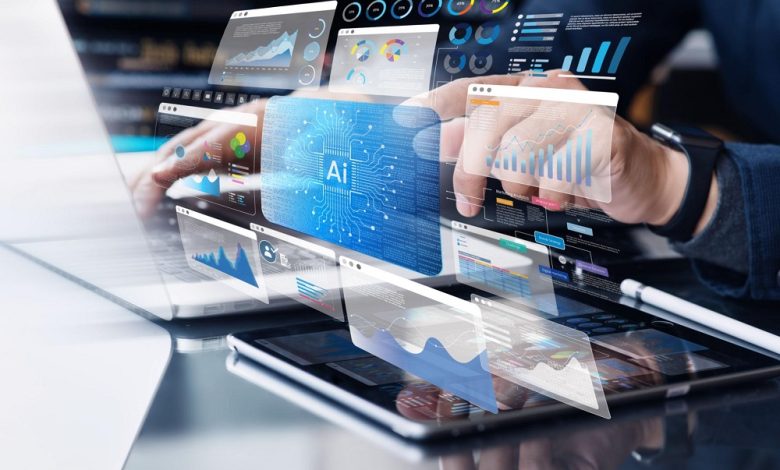
Artificial Intelligence has rapidly shifted from a futuristic concept to a central force shaping how organizations operate across industries. Businesses worldwide are integrating intelligent technologies into their workflows to improve productivity, reduce costs, strengthen decision-making, and create more personalized customer experiences.
From small startups to multinational corporations, Artificial Intelligence is no longer optional. It is becoming a defining factor of competitiveness in the digital economy.
Understanding Artificial Intelligence in Business Context
Artificial Intelligence refers to computer systems designed to perform tasks that typically require human intelligence. These include pattern recognition, language processing, prediction, automation, and decision support.
Modern organizations use AI through practical applications such as:
- predictive analytics
- conversational assistants
- intelligent automation tools
- recommendation engines
- fraud detection systems
- supply chain optimization platforms
Rather than replacing human workers entirely, AI primarily enhances efficiency by supporting smarter and faster operations.
Enhancing Decision Making with Data Intelligence
One of the most significant transformations driven by AI is data-powered decision-making.
Businesses today generate vast volumes of information from customers, operations, marketing channels, and logistics systems. Artificial Intelligence helps transform raw data into meaningful insights.
Key benefits include:
- identifying hidden trends in customer behavior
- forecasting market demand accurately
- reducing financial risks through predictive modeling
- supporting real-time strategy adjustments
- improving operational transparency
Organizations that adopt intelligent analytics platforms often gain a measurable advantage in responsiveness and planning accuracy.
Automating Routine Business Processes
Automation represents one of the most visible impacts of Artificial Intelligence in modern enterprises.
Routine administrative tasks previously handled manually can now be completed faster and more accurately by intelligent systems.
Examples include:
- invoice processing
- payroll management
- document classification
- inventory tracking
- appointment scheduling
- compliance monitoring
This transformation allows employees to focus on strategic and creative responsibilities instead of repetitive activities.
Revolutionizing Customer Experience Across Industries
Customer expectations have evolved significantly in the digital age. Artificial Intelligence enables businesses to deliver personalized and efficient services at scale.
Companies now use intelligent tools to:
- recommend products based on browsing behavior
- provide instant support through chat assistants
- predict customer needs before requests arise
- analyze sentiment from reviews and feedback
- optimize service response time
These improvements increase satisfaction levels and strengthen long-term brand loyalty.
Strengthening Cybersecurity and Risk Management
As digital operations expand globally, security threats are becoming more sophisticated. Artificial Intelligence plays a vital role in identifying and preventing risks before they escalate.
AI-powered protection systems can:
- detect unusual login activity
- recognize fraud patterns in transactions
- monitor suspicious network behavior
- prevent identity theft attempts
- strengthen compliance monitoring
Organizations using intelligent security frameworks often respond faster to threats compared to traditional defense approaches.
Transforming Marketing Strategies Through Personalization
Marketing has become increasingly data-driven, and Artificial Intelligence is at the center of this transformation.
Instead of relying on broad campaigns, businesses now design highly targeted strategies using intelligent insights.
AI enables marketers to:
- segment audiences accurately
- predict purchasing behavior
- automate campaign timing
- personalize product recommendations
- optimize advertising performance
These capabilities help organizations achieve higher engagement rates while reducing marketing costs.
Improving Supply Chain Efficiency and Logistics
Supply chain operations depend heavily on timing, coordination, and forecasting accuracy. Artificial Intelligence improves visibility and reduces uncertainty across logistics networks.
Businesses benefit from:
- real-time shipment tracking
- predictive inventory planning
- automated route optimization
- demand forecasting improvements
- reduced transportation delays
As a result, organizations can maintain stronger relationships with suppliers while improving delivery reliability.
Supporting Innovation and Product Development
Artificial Intelligence is accelerating innovation cycles across industries by helping companies test ideas faster and refine products efficiently.
Companies now use AI during development stages to:
- analyze customer feedback automatically
- simulate product performance scenarios
- identify market gaps
- reduce design errors
- shorten research timelines
This allows businesses to introduce improved solutions to market faster than before.
Transforming Workforce Productivity and Collaboration
Artificial Intelligence is changing how employees interact with technology inside modern workplaces.
Instead of replacing workers, intelligent tools enhance collaboration through:
- smart scheduling assistants
- automated document summarization
- voice-enabled productivity platforms
- predictive task management systems
- workflow optimization tools
Organizations adopting these systems often observe measurable improvements in employee efficiency and satisfaction.
Driving Competitive Advantage in Global Markets
Businesses that integrate Artificial Intelligence strategically gain long-term advantages in efficiency, agility, and innovation capacity.
Competitive benefits include:
- faster decision-making cycles
- improved customer engagement
- lower operational costs
- enhanced forecasting accuracy
- stronger scalability potential
As industries become more technology-driven, companies that delay adoption risk falling behind their competitors.
Conclusion
Artificial Intelligence is reshaping the global business landscape by improving operational efficiency, strengthening decision-making capabilities, enhancing customer experiences, and accelerating innovation. Organizations that embrace intelligent technologies responsibly and strategically position themselves for sustainable growth in an increasingly digital economy.
Frequently Asked Questions
1. How does Artificial Intelligence help small businesses compete with larger companies
Artificial Intelligence enables small businesses to automate operations, analyze customer behavior efficiently, and deliver personalized services without requiring large teams or extensive infrastructure.
2. Which industries benefit the most from Artificial Intelligence adoption
Industries such as healthcare, finance, retail, manufacturing, logistics, and education are experiencing major operational improvements through intelligent technologies.
3. Is Artificial Intelligence expensive to implement for businesses
Costs vary depending on the scale of deployment, but many cloud-based AI solutions now offer affordable entry points for small and medium-sized organizations.
4. Can Artificial Intelligence improve employee productivity
Yes. AI-powered workflow tools reduce repetitive tasks and help employees focus on creative, strategic, and high-value responsibilities.
5. What role does Artificial Intelligence play in remote work environments
AI supports remote collaboration through smart scheduling, automated meeting summaries, intelligent document processing, and virtual assistance tools.
6. How does Artificial Intelligence support sustainability in business operations
AI improves energy management, reduces material waste, optimizes transportation routes, and enhances resource planning efficiency.
7. What skills do employees need to work effectively alongside Artificial Intelligence
Employees benefit from developing digital literacy, data interpretation skills, adaptability, and familiarity with intelligent software platforms.