How Custom Event Displays Transform Passive Observers Into Active Participants
Key Takeaways
Custom corporate event displays boost engagement significantly, creating experiences that resonate with attendees’ interests and emotions, leading to deeper connections.
Vibrant displays—characterized by bright colors, dynamic designs, and strategic components—grab attention and keep it, turning casual observers into active participants.
To maximize engagement, impactful event displays must feature clear messaging, interactive elements, and thoughtfully designed layouts that cater to audience preferences.
The interplay of color and light plays a pivotal role in influencing emotions and enhancing engagement. Using contrasting colors and focused lighting can direct attention to key areas, improving interaction rates.
Technology integration, like interactive kiosks and augmented reality experiences, fosters personalized interactions, fostering real-time dialogue among attendees.
Social media acts as a powerful amplifier, encouraging attendees to share their experiences online. This not only increases visibility for displays but also cultivates community engagement during and after events.
To gauge success, tracking engagement metrics—including dwell time and interaction frequency—is vital, alongside gathering qualitative feedback to inform future strategies.
Transforming Experiences: The Power of Custom Displays
Why Personalization Matters in Event Engagement
Firms aiming for excellence recognize the importance of custom corporate event displays. Personalization plays a key role in engagement. So, what makes it so effective? It’s all about establishing connections. When participants encounter spaces tailored to their interests, emotions are activated. They relate to what they see. This connection spurs memory, sparks conversation, and cultivates lasting impressions.
Event marketing research highlights this phenomenon. Studies confirm that audiences are far more likely to engage with and retain information from experiences tailored to their preferences. It’s not just about sticking; personalized experiences resonate more deeply. Consider this: a generic booth may draw attention briefly, but a display crafted around a participant’s interests? That transforms the interaction entirely.
The Psychology Behind Eye-Catching Displays
Attention spans are decreasing. In the realm of corporate events, time is of the essence. Eye-catching displays capitalize on this urgency. The human brain is programmed to react to visual stimuli. Bright hues, captivating graphics, and dynamic designs can attract individuals like moths to a flame. However, it’s not merely about looks. Strategic design is crucial here.
When combined thoughtfully, elements like shape, size, and movement establish a visual hierarchy. Tailoring these features to specific audiences amplifies their impact. Studies indicate that incorporating unexpected components can significantly increase dwell time. Simple displays may garner a fleeting glance, while innovative, thought-provoking designs grab attention long-term.
“People don’t remember what you said. They remember how you made them feel.”
In essence, custom displays do more than merely adorn a space. They serve as invitations to engage, converse, and connect, converting passive observers into active participants.
Strategic Design: Elements That Captivate Audiences
Key Features of High-Impact Event Displays
Designing an impactful display necessitates several critical features:
- Clear Messaging: Communication should be concise and relatable, reflecting the brand’s unique voice.
- Interactive Elements: Incorporate touch screens or gamified experiences that encourage audience interaction.
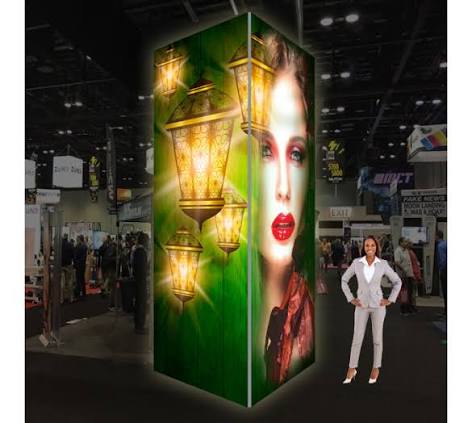
- Attention-Grabbing Visuals: Use large, provocative imagery designed to instantly seize attention.
- Well-Planned Layout: Create a smooth flow guiding visitors gracefully through the experience.
Consideration is key in effective design. Not every striking display fosters engagement. Understanding the audience’s preferences often dictates what will resonate. For example, a tech-savvy group may engage more with interactive digital displays, while a traditional audience may lean toward tactile experiences.
Using Color and Light to Influence Interaction
Colors have the power to invoke emotions, a well-documented fact. Strategically employing specific colors can enhance engagement levels. For instance, reds can communicate urgency, greens convey calmness, and blues instill a sense of credibility. Then, there’s light. It sets the mood, directs focus, and crafts the ambiance. Bright, targeted lighting at crucial points guides the eye where it’s most needed.
Mixing and matching colors with various lighting approaches is essential. Experts suggest using contrasting colors effectively to emphasize critical components. This technique can lead visitors right to crucial call-to-action areas, dramatically improving conversion rates. Dynamic lighting also allows for an evolving display atmosphere, maintaining freshness and appeal throughout the event.
“Color and light breathe life into a display, turning passive observation into active engagement.”
By harnessing these elements, organizations can craft magnetic displays that draw in and retain audience attention. It’s about the presentation as much as the content being showcased.
Maximizing Reach: How to Incorporate Technology
Integrating Interactive Elements for Deeper Engagement
Technology has become an essential partner in achieving higher engagement. One effective approach is incorporating interactive components. From virtual reality experiences to live polling through mobile apps, possibilities are virtually endless. The efficacy of these touchpoints lies in their ability to offer personalized experiences.
When attendees participate rather than just watch, their connection strengthens. It’s about involvement—creating avenues for dialogue, feedback, and immediate interaction. For example, augmented reality can help attendees visualize products in exciting ways, providing insights a standard presentation simply can’t match.
- Interactive kiosks
- Live demonstrations
- Gamified experiences
These options help dismantle barriers, inviting participants to engage not just with the display, but also with each other.
The Role of Social Media in Amplifying Event Displays
Social media functions as a potent amplifier. Engaging displays gain even more influence when shared online. Incorporating social media elements such as hashtags or photo opportunities boosts visibility significantly. Attendees are often eager to share their experiences, which promotes the brand well beyond the event’s physical boundaries. Imagine a display with a unique backdrop designed for selfies. This leads to highly shareable moments, reaching potential clients unable to attend.
Utilizing screens to display live social media feeds can further encourage participation. The thrill of potentially being featured may prompt attendees to interact more deeply. This not only fosters on-site engagement, but also nurtures community involvement both during and after the event.
- Encourage the use of branded hashtags.
- Offer incentives for engaging on social media.
- Design visually captivating backdrops for photo opportunities.
In the current digital landscape, effective branding goes beyond physical presence; it infiltrates virtual spaces. By merging technology with social media strategies effectively, businesses can significantly broaden their reach.
Measuring Success: Metrics to Track Engagement
Understanding Engagement Analytics and Feedback Tools
Data articulates the narrative. So what metrics should organizations be monitoring? Capturing engagement analytics transcends merely counting attendees. It’s imperative to evaluate engagement levels through diverse methodologies. Various tools can track dwell time, interaction rates, and even conversion statistics.
Qualitative metrics should also be on the radar. Post-event surveys can reveal insights into attendees’ perceptions and experiences. Gathering feedback shouldn’t be an afterthought; it should weave through the event’s essence, offering precious insights into what resonated and what fell flat. Implementing real-time feedback systems allows for rapid adjustments that enhance overall impact.
- Engagement duration at displays
- Interactions with interactive components
- Social media activity and mentions during the event
Clear metrics pave the way for clear strategies. They equip businesses to refine their approach in future endeavors. The aim is to cultivate experiences that are not only memorable but also measurable.
Real-World Case Studies: Proven Results from Custom Displays
Evidence speaks volumes. Take, for instance, a tech firm that unveiled an interactive display at a prominent industry conference, showcasing a live demo of its latest software. What was the outcome? Engagement rates soared. Attendees rushed to experience the software firsthand, enabling the sales team to track multiple interactions and ultimately boost lead generation.
This isn’t a one-off case. Many brands have adopted similar strategies, weaving technology and customization together to elevate engagement levels.
- A beverage company that introduced a personalized tasting experience didn’t just increase brand loyalty; they also saw a 250% rise in booth traffic.
- A nonprofit organization successfully merged emotional storytelling with an interactive display, resulting in an 85% boost in signups for future events.
These cases illustrate how innovative designs can do more than captivate; they lead to measurable success in engagement, conversions, and, ultimately, the development of enduring relationships with clients.
Today, businesses have numerous avenues to forge memorable connections via custom corporate event displays. Engaging displays that embody personalization, strategic design, and technology not only strengthen connections but also result in measurable success for upcoming events. This is not merely the future of events; it exists in the present, shaping how companies communicate, interact, and expand. Focusing on these essential elements allows organizations to turn standard events into extraordinary experiences that resonate long after the event concludes.
FAQ
What types of businesses can benefit from custom corporate displays?
Custom corporate displays serve a broad spectrum of industries, from technology and hospitality to retail and education. Businesses looking to elevate their public presence and cultivate customer relationships often find immense value in personalized event engagements.
How does audience analysis enhance display effectiveness?
Understanding the target audience’s demographics, preferences, and behaviors is essential. When organizations tailor displays to resonate with specific attendee profiles, they see a marked increase in emotional connections and engagement rates.
What role does user-generated content play in event engagement?
User-generated content functions as powerful social proof. When attendees share their experiences on social media, it amplifies brand visibility and encourages others to engage, both during and after the event. This cycle of involvement fosters community engagement effectively.
Can virtual events use custom display strategies?
Absolutely. Even within virtual contexts, businesses can engineer engaging online displays using immersive graphics and interactive features. Virtual platforms present opportunities for experiences mirroring those achieved in physical events, enhancing personalization and engagement.
What technology is most effective for enhancing interactive displays?
Integrating technologies like touch screens, augmented reality applications, and mobile engagement tools can elevate attendee experiences significantly. These tools construct environments that invite interaction and participation, leading to deeper connections with the audience.
Are there specific metrics that indicate display effectiveness during an event?
Indeed, businesses should keep tabs on metrics such as dwell time, interaction frequency, and social media engagement. These indicators provide a glimpse into how well displays engage interest and facilitate interaction among attendees.
How can companies ensure their displays remain memorable after the event?
Fostering lasting impressions involves following up with attendees through emails that highlight event key points, links to social media content, and exclusive offers. This method sustains engagement long after the event has wrapped up.
What are the costs associated with creating custom event displays?
Costs can vary greatly depending on design complexity and technology integration. Many businesses find that the investment in custom displays pays off in increased engagement and brand awareness, making them worthwhile expenditures over time.