How to Choose Perfect Travel Insurance Plans Wisely
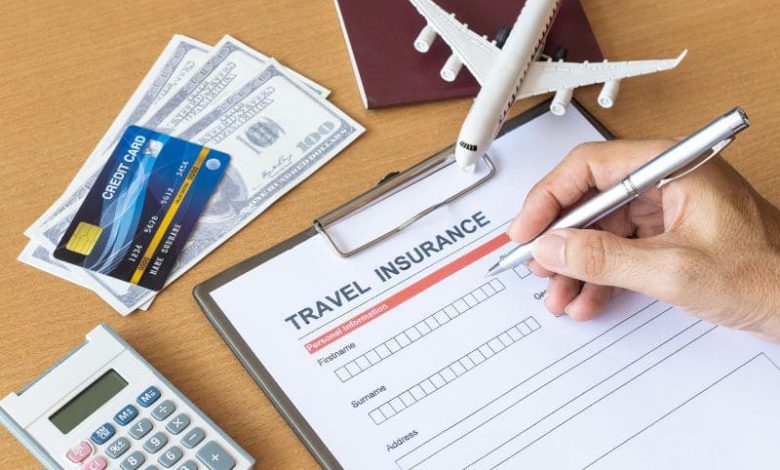
Travel insurance is often treated as a last-minute purchase, but selecting the right plan can make the difference between a smooth journey and a stressful experience. A well-chosen policy protects your finances, health, and travel schedule when unexpected events occur.
This guide explains how to evaluate travel insurance plans carefully so you can choose coverage that genuinely matches your travel needs rather than paying for unnecessary extras.
Why Travel Insurance Matters More Than You Think
Many travelers assume insurance is only useful for international trips or risky destinations. In reality, disruptions can happen anywhere. Medical emergencies, baggage loss, flight cancellations, and trip interruptions are more common than expected.
A reliable policy helps you:
- Avoid large out-of-pocket medical expenses abroad
- Recover costs from cancelled or delayed trips
- Protect belongings from theft or loss
- Access emergency assistance services
- Travel with confidence and peace of mind
Choosing wisely ensures you receive real protection rather than limited coverage with hidden conditions.
Understand the Types of Travel Insurance Coverage
Before comparing plans, it is important to know what coverage categories exist. Not every traveler needs the same protection.
Common coverage types include:
Medical coverage
Covers hospital expenses, doctor consultations, ambulance charges, and emergency treatments during travel.
Trip cancellation coverage
Reimburses prepaid expenses if your trip is cancelled due to valid reasons like illness or emergencies.
Trip interruption coverage
Helps recover costs if you must cut your journey short unexpectedly.
Baggage protection
Compensates for lost, delayed, or stolen luggage and personal belongings.
Emergency evacuation coverage
Covers transport costs to the nearest suitable medical facility or home country if necessary.
Choosing a policy becomes easier once you identify which coverage areas matter most for your situation.
Evaluate Your Destination Before Selecting a Plan
Your destination plays a major role in determining the type and level of insurance required.
Consider:
- Healthcare costs in the destination country
- Political or environmental risks
- Duration of stay
- Travel restrictions and entry requirements
- Adventure activity plans
For example, countries with high medical costs require higher coverage limits compared to short domestic trips.
Compare Coverage Limits Carefully
Many travelers compare only premium prices, which leads to poor decisions. Coverage limits matter far more than the cost difference between policies.
Pay attention to:
- Maximum medical coverage amount
- Trip cancellation reimbursement limits
- Baggage compensation caps
- Emergency evacuation allowances
A cheaper policy with low limits may not help when you actually need support.
Check What Is Included and Excluded
Insurance policies often contain exclusions that travelers overlook. Reading the policy wording carefully helps avoid unpleasant surprises later.
Typical exclusions include:
- Pre-existing medical conditions
- Risky adventure sports without add-ons
- Alcohol-related incidents
- Travel against government advisories
- Unattended baggage loss
Understanding exclusions helps you decide whether you need optional add-on coverage.
Choose Coverage Based on Trip Duration
The length of your journey directly affects which plan is suitable.
Short trips may only require:
- Basic medical coverage
- Baggage protection
- Trip cancellation benefits
Long-term travel often requires:
- Extended medical coverage
- Multiple-trip flexibility
- Emergency evacuation protection
- Personal liability coverage
Frequent travelers may benefit from annual multi-trip policies rather than single-trip insurance.
Consider Add-On Benefits That Match Your Travel Style
Optional upgrades can improve protection significantly if selected wisely.
Useful add-ons include:
- Adventure sports coverage
- Coverage for expensive electronics
- Cruise travel protection
- Student travel insurance extensions
- Senior citizen medical upgrades
Avoid selecting unnecessary add-ons that increase premiums without adding real value.
Review Claim Settlement Process and Support Services
A strong policy is not just about coverage but also about how efficiently claims are handled.
Look for insurers that provide:
- 24-hour emergency assistance
- Cashless hospitalization options
- Simple documentation requirements
- Quick claim processing timelines
- Global support network availability
Reliable customer support becomes critical during emergencies abroad.
Compare Policy Cost Without Compromising Essential Coverage
Budget matters, but selecting the lowest premium is rarely the best strategy.
Instead:
- Compare multiple insurers
- Evaluate benefits versus price
- Check coverage limits carefully
- Avoid overlapping protection from existing policies
- Choose plans offering value rather than minimum cost
Balanced decision-making ensures financial protection without overspending.
Verify Policy Eligibility Conditions Before Purchase
Every insurance plan has eligibility rules that travelers should confirm beforehand.
Important checks include:
- Age eligibility range
- Coverage duration limits
- Destination restrictions
- Medical disclosure requirements
- Documentation needed during claims
Meeting eligibility conditions ensures smooth claim approval later.
Read Customer Reviews and Insurer Reputation
Insurance reliability depends heavily on the provider’s service quality.
Before finalizing a policy:
- Review customer experiences
- Check claim approval ratios
- Evaluate response time during emergencies
- Confirm international assistance partnerships
Selecting a trusted insurer reduces the chances of complications during travel disruptions.
FAQs About Choosing Travel Insurance Plans
How early should I purchase travel insurance before my trip?
It is best to purchase travel insurance immediately after booking your trip. Early purchase ensures eligibility for trip cancellation coverage from the start.
Does travel insurance cover flight delays automatically?
Most policies include flight delay coverage, but compensation limits and waiting periods vary between insurers. Always confirm the delay duration required before eligibility begins.
Is travel insurance mandatory for all international destinations?
Some countries require travel insurance for visa approval, especially those with high medical expenses. Even when not mandatory, it is strongly recommended.
Can I extend my travel insurance if my trip duration increases?
Many insurers allow extensions if requested before the original policy expires. However, approval depends on your location and claim status at the time of extension.
Are adventure activities automatically covered in travel insurance plans?
Adventure activities usually require additional coverage. Standard policies often exclude high-risk sports unless an add-on is selected.
What documents are required when filing a travel insurance claim?
Common documents include medical reports, hospital bills, travel tickets, police reports for theft cases, and receipts for expenses related to the claim.
Does travel insurance cover lost passports during international trips?
Yes, many policies include assistance and reimbursement support for lost passports, but coverage limits and procedures vary by insurer.