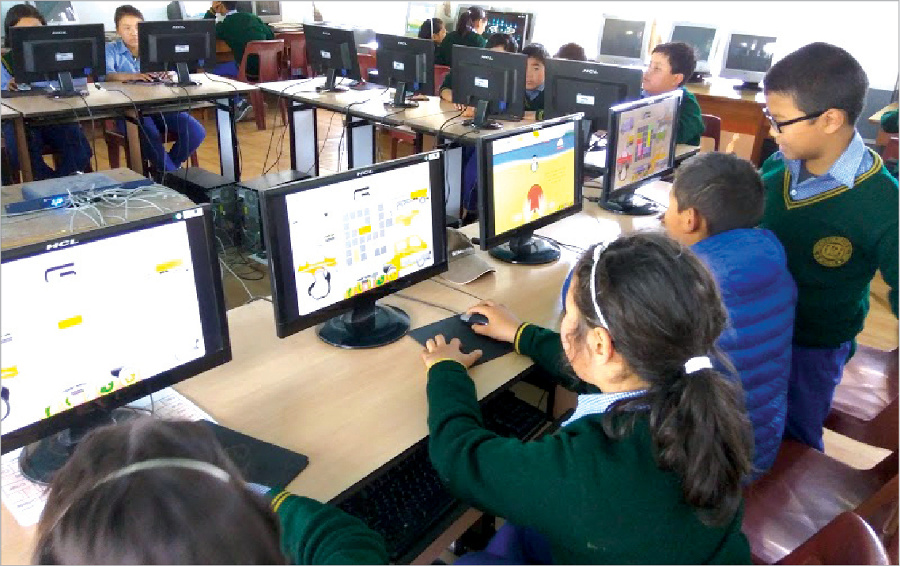
Student Centered Learning Approaches in Modern Education
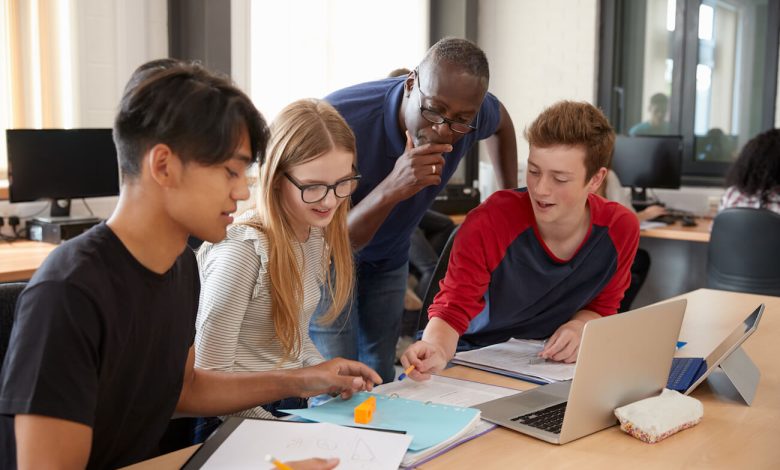
Student centered learning has become a defining feature of modern education systems across the world. Instead of focusing primarily on teacher instruction, this approach places learners at the core of the educational process. It encourages participation, independence, critical thinking, and meaningful engagement with knowledge. As classrooms continue to evolve through digital tools and changing learner expectations, student centered methods are helping educators create more responsive and inclusive learning environments.
Understanding Student Centered Learning
Student centered learning refers to instructional practices that prioritize learners’ needs, interests, abilities, and learning styles. In this approach, students actively participate in shaping their learning experiences rather than passively receiving information.
Key characteristics include:
- Active participation in classroom activities
- Opportunities for independent thinking
- Flexible learning pathways
- Collaborative learning experiences
- Continuous feedback and reflection
This model encourages students to become responsible for their learning progress while teachers act as facilitators and guides.
Importance of Student Centered Learning in Modern Education
Education systems today must prepare learners for complex social and professional environments. Traditional lecture based instruction alone is no longer sufficient to develop critical competencies.
Student centered learning supports:
- Development of analytical and problem solving skills
- Greater motivation and engagement in learning
- Improved communication abilities
- Stronger collaboration skills
- Higher levels of academic confidence
These benefits help students adapt to rapidly changing academic and professional expectations.
Key Student Centered Learning Approaches
Several instructional strategies support student centered learning environments. Each approach encourages active participation and ownership of knowledge.
Project Based Learning
Project based learning allows students to investigate real world problems and develop solutions through structured exploration. It promotes creativity, teamwork, and long term understanding of concepts.
Students benefit through:
- Practical application of theoretical knowledge
- Development of research skills
- Enhanced collaboration experiences
- Improved presentation abilities
Inquiry Based Learning
Inquiry based learning encourages students to ask questions, explore ideas, and discover answers through investigation. Teachers support the process by guiding exploration rather than delivering direct explanations.
This approach strengthens:
- Curiosity and exploration
- Independent thinking
- Scientific reasoning skills
- Confidence in learning processes
Flipped Classroom Strategy
In a flipped classroom model, students review learning materials before attending class. Classroom time is then used for discussions, activities, and problem solving exercises.
Advantages include:
- Better use of classroom interaction time
- Increased student participation
- Stronger understanding through practice
- Greater flexibility in learning pace
Collaborative Learning
Collaborative learning involves group activities where students work together to achieve shared learning goals. It promotes communication and teamwork skills essential for modern workplaces.
Collaborative learning encourages:
- Peer interaction and support
- Exchange of diverse perspectives
- Improved social learning experiences
- Shared responsibility for outcomes
Role of Teachers in Student Centered Classrooms
Teachers remain central to the success of student centered learning environments. Their responsibilities shift from delivering information to guiding learning experiences.
Teachers support learning by:
- Designing interactive learning activities
- Encouraging open discussion
- Providing constructive feedback
- Monitoring individual progress
- Supporting diverse learning needs
This shift strengthens relationships between teachers and students and improves overall classroom engagement.
Benefits of Student Centered Learning Approaches
Student centered learning contributes to both academic achievement and personal development. It creates opportunities for learners to connect knowledge with real life experiences.
Major benefits include:
- Increased learner motivation
- Improved retention of knowledge
- Stronger communication skills
- Development of leadership abilities
- Greater adaptability to new challenges
These advantages help prepare students for higher education and future careers.
Challenges in Implementing Student Centered Learning
Despite its advantages, adopting student centered approaches requires careful planning and support from educational institutions.
Common challenges include:
- Limited classroom time for interactive activities
- Need for teacher training and professional development
- Large class sizes that restrict personalization
- Insufficient access to learning resources
- Resistance to change from traditional teaching methods
Addressing these challenges ensures effective implementation of learner focused strategies.
Role of Technology in Supporting Student Centered Learning
Technology plays an important role in strengthening student centered education practices. Digital tools make learning more flexible and accessible while supporting collaboration and creativity.
Technology supports learning through:
- Online discussion platforms
- Digital research tools
- Interactive simulations
- Virtual collaboration environments
- Personalized learning applications
These tools help students explore knowledge independently and participate more actively in learning processes.
Conclusion
Student centered learning approaches are transforming modern education by encouraging active participation, independent thinking, and meaningful collaboration. By shifting the focus from instruction to engagement, these methods help students develop essential academic and life skills. When supported by effective teaching strategies and appropriate technology, student centered learning creates inclusive environments that prepare learners for future challenges.
Frequently Asked Questions
1. How does student centered learning influence classroom discipline
Student centered classrooms often improve discipline because learners feel more involved and responsible for their learning activities, which reduces disengagement and disruptive behavior.
2. Can student centered learning be applied in primary education
Yes, student centered strategies can be adapted for younger learners through activity based instruction, storytelling methods, and guided exploration tasks suited to their developmental level.
3. How does student centered learning support inclusive education
It allows teachers to adjust learning methods according to different abilities, interests, and learning speeds, ensuring equal participation opportunities for all students.
4. Is assessment different in student centered learning environments
Assessment often includes presentations, projects, reflections, and peer evaluations in addition to written tests, providing a broader understanding of student progress.
5. What skills do students develop through collaborative learning activities
Students improve communication, teamwork, negotiation, leadership, and problem solving abilities through structured group interaction.
6. How can schools support teachers in adopting student centered methods
Schools can provide training programs, digital learning tools, flexible curriculum structures, and administrative support to help teachers implement these approaches effectively.
7. Does student centered learning improve long term academic outcomes
Research suggests that learners who actively participate in their education often demonstrate stronger retention, deeper understanding, and improved application of knowledge over time.