Effective Strategies For Traumatic Brain Injury Rehabilitation
The Science Behind Traumatic Brain Injuries: Understanding the Impact
Common Causes of Traumatic Brain Injuries
Traumatic Brain Injuries (TBIs) occur as a result of external physical forces affecting the brain, causing damage that can alter cognitive function, emotions, and physical abilities. Common causes include falls—particularly prevalent among the elderly and in children—motor vehicle accidents, and sports injuries. According to the Centers for Disease Control and Prevention (CDC), falls are the leading cause of TBI-related hospitalizations and deaths. In addition to unintentional falls, assaults, including physical violence and abuse, also contribute significantly to TBI incidence rates. Sports-related injuries are particularly concerning, with contact sports such as football, boxing, and hockey bearing a higher risk of TBIs. Understanding these causes is vital in forming prevention strategies and forms the foundation for recognizing signs and symptoms in potential victims.
How TBIs Affect Brain Function and Behavior
The impact of TBIs on brain function can vary dramatically depending on the severity and specific areas of the brain affected. Mild TBIs, known as concussions, may result in temporary cognitive and physical dysfunction, manifesting as headaches, confusion, or dizziness. Conversely, moderate to severe TBIs can lead to prolonged unconsciousness or amnesia and can affect higher-order functions, including reasoning, emotion regulation, communication skills, and the ability to perform everyday tasks. Behavioral changes, such as increased irritability, mood swings, and social withdrawal, are also common, posing significant challenges for relationships and overall quality of life. This complexity necessitates a multidisciplinary approach in both acute and rehabilitative care to address the myriad effects of TBIs comprehensively.
The Importance of Early Detection and Diagnosis
Prompt and accurate diagnosis of TBIs is imperative as early intervention can greatly improve recovery outcomes. Symptoms may not always be immediately apparent, especially in mild cases, making thorough assessments essential. Healthcare professionals utilize a combination of neurological examinations, imaging tests like CT scans or MRIs, and cognitive assessments to determine the extent of the injury. Misdiagnosis or delayed diagnosis can lead to exacerbated conditions, inadequate treatment plans, and increased healing time. Therefore, educating communities on recognizing the signs and symptoms of TBIs is vital, allowing for timely medical intervention and better long-term recovery prospects.
Innovative Rehabilitation Techniques: Redefining Recovery
Cutting-Edge Therapies That Are Changing Lives
The traumatic brain injury rehabilitation landscape has evolved significantly with the introduction of innovative therapeutic techniques aimed at optimizing recovery. One notable advancement is the use of neuromodulation therapies, such as transcranial magnetic stimulation (TMS) and transcranial direct current stimulation (tDCS), which utilize electrical impulses to stimulate neuronal activity, promoting plasticity in damaged brain areas. Additionally, robotic-assisted therapy is receiving attention for its effectiveness in fine motor skill restoration, particularly following severe TBIs. These therapies target specific deficits and can be combined with traditional occupational and physical therapies to create a comprehensive rehabilitation strategy that maximizes the potential for recovery.
Utilizing Technology: The Role of Virtual Reality in Therapy
Virtual Reality (VR) has emerged as an exciting tool in TBI rehabilitation, allowing for immersive simulation environments where patients can practice real-world scenarios in a safe setting. VR therapy fosters engagement and motivation while providing therapists with precise data on performance and progress. For instance, individuals with memory deficits can recreate everyday tasks, such as cooking or navigating public transportation, enhancing confidence and skills necessary for reintegrating into society. Research indicates that VR not only aids in cognitive recovery but also helps address emotional issues, enabling patients to confront and manage anxiety or trauma associated with their injuries.
Personalized Rehabilitation Plans: Why One Size Doesn’t Fit All
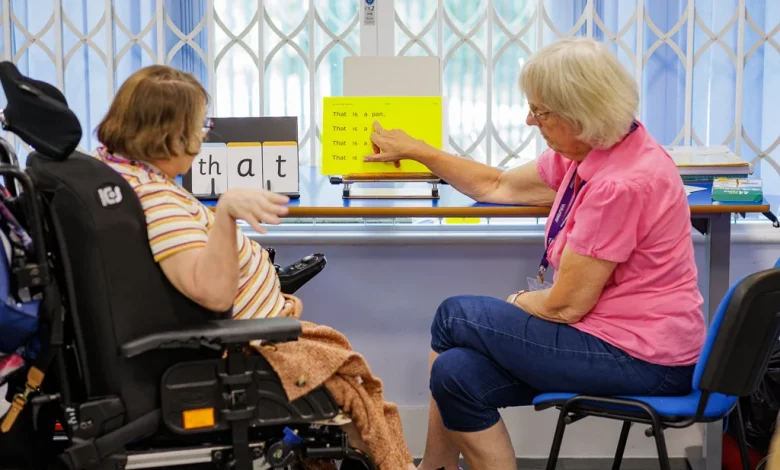
Each traumatic brain injury is unique, necessitating individualized rehabilitation plans tailored to the patient’s specific symptoms, challenges, and recovery goals. Multidisciplinary teams typically include neurologists, physiatrists, occupational and physical therapists, speech-language pathologists, and neuropsychologists who collaborate to develop these personalized plans. Factors such as the severity of the injury, the patient’s age, and their previous level of function all play crucial roles in establishing effective rehabilitation protocols. By continually monitoring progress and adapting treatment strategies, healthcare providers can address ongoing needs and optimize the potential for improved outcomes.
Emotional and Psychological Support: Holistic Approaches to Healing
The Role of Mental Health in TBI Recovery
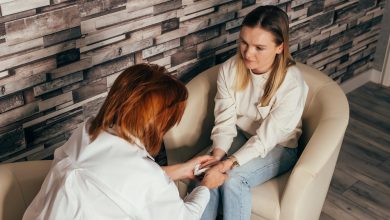
Psychological well-being is a critical component of recovery for those affected by traumatic brain injuries. TBIs can lead to a range of emotional responses, including depression, anxiety, and post-traumatic stress disorder (PTSD). It is not uncommon for individuals to experience frustration or loss of identity following their injuries, further complicating the rehabilitation process. Mental health professionals specializing in trauma and neuropsychology can offer support and strategies to help individuals cope with their feelings and challenges. Cognitive Behavioral Therapy (CBT) has shown promising results in reducing anxiety and depression symptoms, enabling patients to rebuild a sense of control over their lives.
Building a Support Network: Friends, Family, and Professional Help
A robust support network is crucial for individuals recovering from TBIs. Emotional support from friends and family can promote feelings of belonging and understanding, which is critical in the healing process. However, these individuals may also require education to understand the nuances of brain injury recovery fully. Involving family members in therapy sessions can empower them to participate actively in the rehabilitation process. Professional support groups may also provide platforms for sharing experiences and strategies, helping patients connect with others who understand their journey. This network empowers individuals to navigate their challenges and fosters resilience.
Mindfulness and Meditation: Techniques for Emotional Resilience
Mindfulness and meditation techniques have gained traction as effective practices for enhancing emotional resilience in TBI recovery. These techniques encourage individuals to remain present and accept their feelings without judgment, providing a crucial outlet for processing emotions related to their injuries. Regular mindfulness practice has been shown to reduce stress, increase emotional regulation, and improve concentration and memory, essential factors for recovery. Incorporating structured programs or App-guided meditations into rehabilitation schedules can promote consistency and provide patients with valuable tools for managing anxiety and stress, ultimately contributing to their overall well-being and recovery journey.
Long-Term Outcomes and Life After TBI: Navigating New Normal
Returning to Work: Challenges and Accommodations
Returning to work post-TBI presents numerous challenges as individuals often face cognitive limitations, fatigue, and emotional obstacles. It is essential for employers to foster an inclusive atmosphere that acknowledges these challenges and facilitates the reintroduction of affected employees into the workforce. This might include modified work hours, adjusted responsibilities, or even remote work options. Developing clear communication between the employee, healthcare team, and management is critical in establishing necessary accommodations. Moreover, vocational rehabilitation programs can help individuals regain confidence, learn new skills, and explore job opportunities that align with their capabilities post-injury.
Staying Active: Incorporating Wellness into Daily Life
Maintaining an active lifestyle is vital for those recovering from TBI, as physical activity has proven benefits for cognitive function, mood, and overall health. Engaging in regular, structured physical activities tailored to individual needs can enhance muscle strength, balance, and coordination while promoting social interaction. Whether through guided exercise programs, recreational sports, or yoga, remaining physically active contributes significantly to emotional and physical recovery. Additionally, integrating wellness practices such as proper nutrition, sleep hygiene, and stress management techniques is equally essential. These elements combined create a structured lifestyle encouraging healthy habits that contribute to long-term recovery.
Advocacy and Awareness: Being Your Own Best Advocate
Finally, individuals recovering from TBI must empower themselves to become their own advocates. Understanding their rights and available resources, whether within healthcare, employment, or community support systems, equips them to navigate the recovery process effectively. Advocacy may also include spreading awareness about TBIs to diminish societal stigma, promote understanding, and encourage supportive environments. Organizations dedicated to brain injury awareness provide vital resources and can assist individuals in becoming well-informed advocates for themselves and others affected by TBI. Taking these proactive steps fosters a sense of control and encourages individuals to embrace their healing journey actively.
FAQ
Question: What is a TBI? – Traumatic Brain Injury (TBI) is a disruption in normal brain function caused by an external mechanical force, leading to varying degrees of impairment in cognitive, physical, or emotional functioning.
Question: What are the common symptoms of a TBI? – Symptoms of a TBI can vary widely and may include headaches, confusion, balance issues, mood changes, and difficulties with memory or concentration. Symptoms may not appear immediately, particularly in mild cases.
Question: How is a TBI diagnosed? – Diagnosis of a TBI typically involves neurological examinations, imaging tests like CT scans or MRIs, and cognitive assessments by healthcare professionals to determine the extent of the injury.
Question: Can TBIs be prevented? – While not all TBIs can be prevented, many can be avoided by taking safety precautions, such as wearing helmets during sports, using seat belts in vehicles, and making home environments safer to prevent falls.
Question: How long does TBI recovery typically take? – Recovery time varies significantly based on the severity of the injury, individual health factors, and the effectiveness of rehabilitation efforts. Some may recover within weeks, while others might take months or even years to regain function.
Question: What role does therapy play in TBI recovery? – Therapy plays a crucial role in TBI recovery by providing rehabilitation techniques that target specific deficits, improve cognitive function, and enhance emotional well-being through tailored interventions.
Question: Are there any support groups for TBI patients? – Yes, there are numerous support groups and organizations that cater to TBI patients and their families, offering resources, community, and shared experiences to aid in the recovery process.
Question: What should families do to support a loved one recovering from a TBI? – Families can support a loved one by educating themselves about TBIs, being patient, attending therapy sessions, and providing emotional and practical assistance while encouraging independence and resilience.
Useful Resources
- Centers for Disease Control and Prevention (CDC)
- Neurorehabilitation Centers
- BrainLine
- Brain Injury Alliance of New Jersey
- Brain Injury Association of America
- American Psychological Association (APA)
- American Physical Therapy Association (APTA)
- American Speech-Language-Hearing Association (ASHA)