Charting A New Path In Healthcare: What To Know About Becoming A Medical Assistant
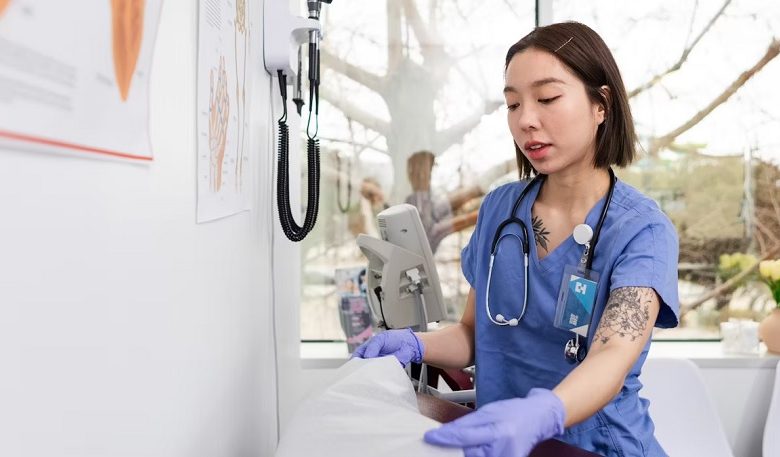
Healthcare is a field that constantly evolves, and with that evolution comes a growing demand for skilled support staff. One of the most in-demand roles in today’s clinics, hospitals, and specialty practices is that of the medical assistant. These professionals are the heartbeat of many healthcare facilities, providing both clinical and administrative support to ensure patients receive timely, quality care.
As the industry expands, so does the need for quality training. Whether you are making a career switch or starting fresh after high school, medical assistant schools offer a streamlined route into the healthcare workforce, often with programs that can be completed in under two years.
Why Medical Assisting Is Gaining Attention
The appeal of becoming a medical assistant lies in its accessibility and relevance. Unlike many healthcare roles that require years of specialized training, becoming a medical assistant typically requires a postsecondary certificate or diploma. In some cases, students pursue an associate degree, though it is not always necessary for employment.
Beyond its relatively short training period, medical assisting offers real variety in the workplace. Depending on where you work, your day might include checking patients in, recording vital signs, assisting with minor procedures, managing electronic health records, or scheduling appointments. It’s a role that requires strong communication, organization, and multitasking — and offers immense personal satisfaction in return.
What to Expect from a Medical Assistant Program
Medical assistant training programs are designed to provide a balance of classroom instruction and hands-on practice. Students learn the foundations of anatomy, pharmacology, and medical terminology, while also becoming proficient in administrative tasks like billing and insurance processing.
Many schools incorporate real-world experience through externships, allowing students to work in clinics or doctors’ offices under supervision. This experience is invaluable, offering a clearer sense of the pace and expectations of a professional medical environment.
In addition to clinical and administrative skills, students often receive training in patient interaction, cultural sensitivity, and confidentiality standards like HIPAA compliance — all crucial for building trust and maintaining patient care standards.
Why Accreditation Matters
When choosing between medical assistant schools in Texas or elsewhere, accreditation should be a top priority. Accredited schools meet established standards for education and training, ensuring that your certification will be recognized by employers and certifying bodies.
Look for programs accredited by organizations such as the Commission on Accreditation of Allied Health Education Programs (CAAHEP) or the Accrediting Bureau of Health Education Schools (ABHES). These programs are often required for students who want to take the Certified Medical Assistant (CMA) or Registered Medical Assistant (RMA) exams, which can boost job prospects.
Career Outlook for Medical Assistants
According to the U.S. Bureau of Labor Statistics, employment of medical assistants is projected to grow significantly in the coming years — much faster than the average for all occupations. This is due to a combination of factors: an aging population, increased demand for preventative care, and the expansion of healthcare services in outpatient settings.
Graduates of medical assistant schools in Texas, for instance, are likely to find opportunities in various settings such as private practices, urgent care centers, hospitals, and even telemedicine support roles. As healthcare shifts toward a more patient-centered model, the skills of a well-trained medical assistant are more valuable than ever.
What Makes a Good Medical Assistant
Success in this field requires more than just technical skills. Medical assistants are often the first point of contact for patients, so empathy, patience, and professionalism go a long way. The ability to stay organized, think on your feet, and adapt to a busy clinical environment is essential.
Soft skills like clear communication and teamwork also matter, especially when coordinating with physicians, nurses, and administrative staff. These traits can often make the difference between being a competent medical assistant and an exceptional one.
Costs and Financial Aid
The cost of attending a medical assistant program can vary depending on the type of school and the length of the program. Certificate programs at community colleges or vocational schools are generally more affordable than private institutions offering associate degrees. However, both types of schools may offer financial aid, scholarships, or flexible payment plans.
Some programs also offer job placement assistance, which can ease the transition from classroom to clinic. When researching schools, consider the full picture — including tuition, time commitment, and the reputation of the institution among local healthcare employers.
Is It the Right Fit for You?
If you’re someone who enjoys helping others, thrives in fast-paced environments, and wants to make a tangible difference in people’s lives, medical assisting might be the perfect career path. It offers a stable, respected position in the healthcare system with room for growth. Many medical assistants later pursue careers as nurses, medical office managers, or specialized technicians — using their initial experience as a springboard.
For those looking at medical assistant schools in Texas, the options are diverse, with many programs offering day, evening, or online classes to accommodate different schedules. With the right training and mindset, you could be working in a healthcare setting and building your future in just a matter of months.
Final Thoughts
Medical assisting is more than just a job — it’s a meaningful career that allows you to support patients through some of their most vulnerable moments. It’s also a practical entry point into a booming industry that needs dedicated professionals now more than ever. If you’re ready to take the first step toward a career in healthcare, exploring medical assistant programs could be the move that sets your future in motion.